Author name: Mike M.

‘assassin’s-creed-vr’-full-reveal-coming-july-12th-at-ubisoft-forward

‘Assassin’s Creed VR’ Full Reveal Coming July 12th at Ubisoft Forward

Although we didn’t get a first look at Ubisoft’s VR take on Assassin’s Creed during Meta’s big Quest Gaming Showcase today, the studio says we should watch out next week for the full reveal.

Meanwhile, today’s announcement (of an announcement) confirmed for the first time that a previous leak was true, claiming the game would indeed be called ‘Nexus’, or rather Assassin’s Creed: Nexus VR.

The leak, which was from April 2022, included a host of unconfirmed information including a video of a mission menu and initial impressions of the work-in-progress game.

The leaked video included a number of mission-related texts which could point to the game being set in a smorgasbord of iconic eras visited across the franchise. Here’s some text pulled from the leaked video in question which talks about Ezio, the Florentine nobleman from Rennaissance-era Italy:

“Ezio makes a surprise return to the family estate at Monteriggioni at the behest of his sister (and fellow assassin) Claudia. Claudia, it seems, has been trying to rebuild the ruins of Monteriggioni, and things have been going very slowly. She’s got her suspicions as to why this is so, what isn’t read to act yet. Instead, Claudia suggest Ezio fins out what’s going on, then leaves him with word that she’s hidden a knickknack of his that he loved as a child somewhere in [illegible] that sports a puzzle.”

Ubisoft is set to release more info about Assassin’s Creed: Nexus VR at its annual Ubisoft Forward livestream on June 12th.

Will it feature the high-flying action the franchise is known for? We won’t know until the full reveal, which we’re hoping comes with a solid gameplay trailer and a release date for its target platforms, which include Quest 2 and Quest Pro.

‘Assassin’s Creed VR’ Full Reveal Coming July 12th at Ubisoft Forward Read More »

co-op-dungeon-crawler-‘dungeons-of-eternity’-unveiled-from-studio-founded-by-oculus-veterans

Co-op Dungeon Crawler ‘Dungeons of Eternity’ Unveiled From Studio Founded by Oculus Veterans

Othergate, a studio founded by former Oculus Studios game designers, announced their first VR game during Meta’s Quest Gaming Showcase today, revealing a co-op dungeon crawler for Quest 2 called Dungeons of Eternity.

Dungeons of Eternity is a 1-3 player co-op dungeon crawling RPG which incorporates physics-based combat and randomized dungeons.

The studio says its dungeons are constructed from “hundreds of different Chambers,” which will take you to dark crypts, ruined castles, and deep caverns where you’ll solve puzzles and avoid deadly traps.

Physics-based interactions are a big focus it seems, as the reveal trailer shows off a fair bit of melee combat along with archery and magic. Randomly-generated weapons drops and a streamlined progression system are also said to attract players back for endless replayability.

Founded in 2021, the studio’s four founding members Ryan Rutherford, Andrew Welch, Fabio Brasiliense, and Pärtel Lang have worked on numerous games over their 30+ combines years of VR game development. The team was responsible for creating both the Herobound and Dead and Buried franchises, in addition to the Dead and Buried Arena location-based game demo shown at Oculus Connect 6 and the Tiny Castles hand-tracking demo.

There’s no definite release date for now, although Othergate says it’s coming at some point this year. You can wishlist the game on the Quest Store here.

Co-op Dungeon Crawler ‘Dungeons of Eternity’ Unveiled From Studio Founded by Oculus Veterans Read More »

einride-brings-its-futuristic-electric-self-driving-trucks-to-the-uae

Einride brings its futuristic electric self-driving trucks to the UAE

Einride brings its futuristic electric self-driving trucks to the UAE

Ioanna Lykiardopoulou

Story by

Ioanna Lykiardopoulou

Ioanna is a writer at TNW. She covers the full spectrum of the European tech ecosystem, with a particular interest in startups, sustainabili Ioanna is a writer at TNW. She covers the full spectrum of the European tech ecosystem, with a particular interest in startups, sustainability, green tech, AI, and EU policy. With a background in the humanities, she has a soft spot for social impact-enabling technologies.

Einride, a pioneer in electric and autonomous freight transport, is expanding its services to the Middle East, following a collaboration with the UAE government to accelerate the region’s transition to sustainable shipping.

Founded in 2016, the Swedish startup is on a mission to decarbonise the industry by developing and deploying a holistic freight mobility ecosystem. This includes its electric and autonomous fleets, its intelligent platform, called Einiride Saga, charging infrastructure, and connectivity networks.

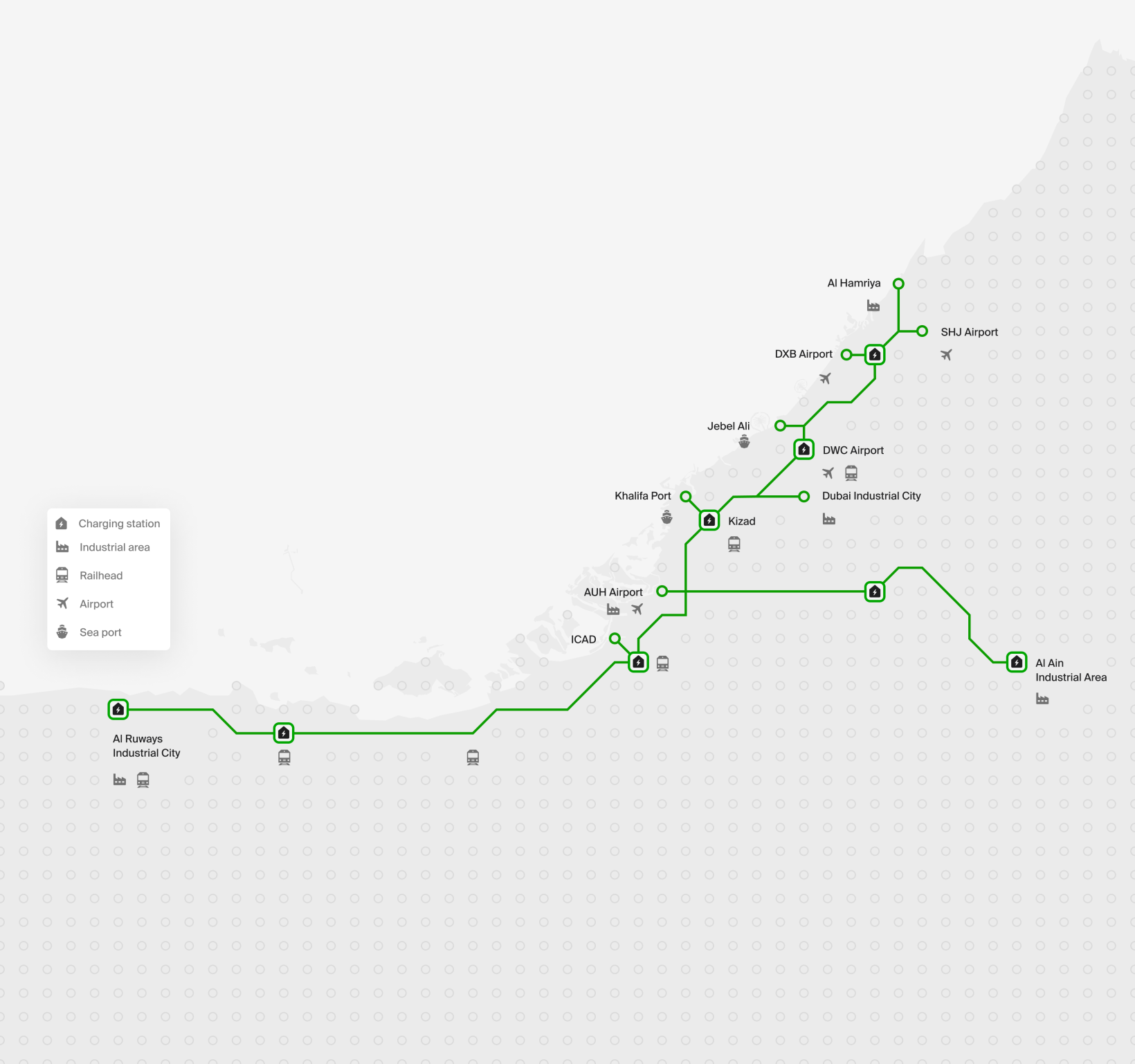
Einride, which is already operating in Europe and the US, has now signed a Memorandum of Understanding (MoU) with the UAE government to deploy its ecosystem over a 550km stretch across Abu Dhabi, Dubai, and Sharjah. The so-called Falcon Rise Grid will encompass 2,000 electric trucks, 200 autonomous trucks, and eight charging stations with more than 500 charging points. Einride will develop the project over the course of five years.

Einride expansion UAE
The area of the the Falcon Rise Grid project. Credit: Einride

“This collaboration gets to the core of what Einride provides — the transformation to effective and sustainable shipping that is fully electric,” remarked Robert Falck, Einride’s founder and CEO. The company, which has partnered with global firms such as Coca Cola and Oatly, says its clients have seen an up to 95% reduction in emissions, while remaining cost-competitive.

“Through this collaboration with Einride, we aim to leverage the latest technological advancements to reduce emissions and enhance the efficiency of freight operations across the region,” said HE. Sharif Alolama, Undersecretary for Energy and Petroleum Affairs of the UAE.

Einride expansion UAE
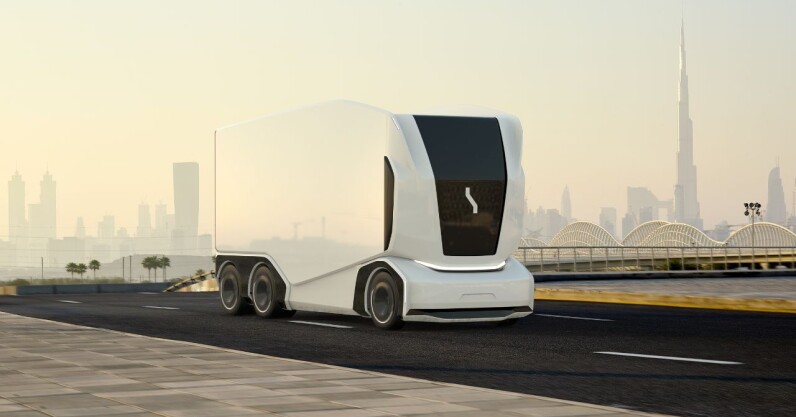
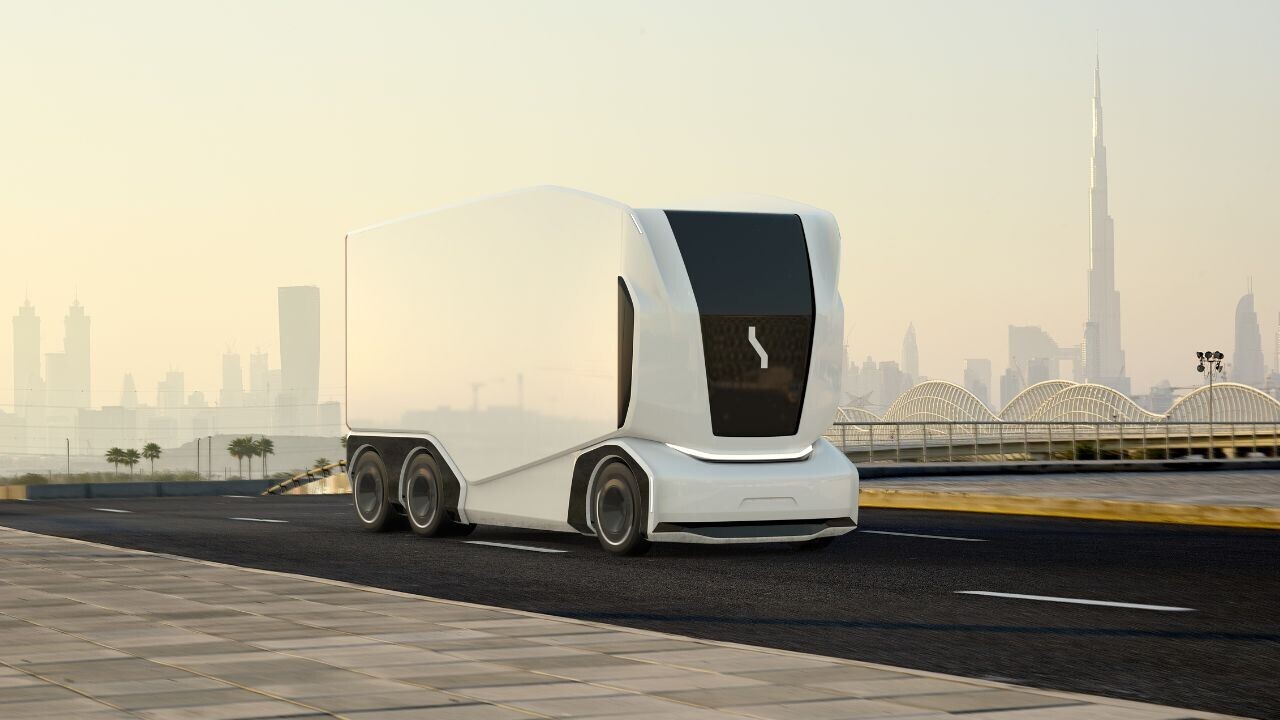
Einride’s electric truck and autonomous truck. Credit: Einride

The Falcon Rise Grid project in the UAE follows a series of market expansions over the past 12 months, including Germany, Benelux, and the UK. Einride’s presence in the Middle East also represents another significant milestone for the startup. In 2019, the company became the first in the world to deploy an electric autonomous vehicle on a public road, in Sweden. In 2022, it became the first company to receive approval to do the same in the US.

Get the TNW newsletter

Get the most important tech news in your inbox each week.

Also tagged with


Einride brings its futuristic electric self-driving trucks to the UAE Read More »

elon-musk’s-brain-chip-startup-approved-by-fda-for-testing-on-humans

Elon Musk’s Brain-chip Startup Approved by FDA for Testing on Humans

Neuralink, Elon Musk’s brain-machine interface (BMI) company, has announced that it has received approval from the US Food and Drug Administration (FDA) to conduct its first tests on humans. The company is developing minimally invasive brain chips which it hopes to use to restore vision and mobility for people with disabilities.

Neuralink says it doesn’t have immediate plans to recruit participants, however the FDA approval marks a significant step forward after a previous bid was rejected on safety grounds.

In March, Reuters reported the FDA’s major safety concerns involved the device’s lithium battery, the potential for the implant’s tiny wires to migrate to other areas of the brain, and questions over whether and how the device can be removed without damaging brain tissue.

Musk’s BMI startup first revealed a wireless version of its ‘N1 Link’ implant working in pigs in 2020, which streamed neural data in order to track limb movement. It has since showcased its neural implants working in primates, notably allowing a macaque test subject to play Pong using only its thoughts.

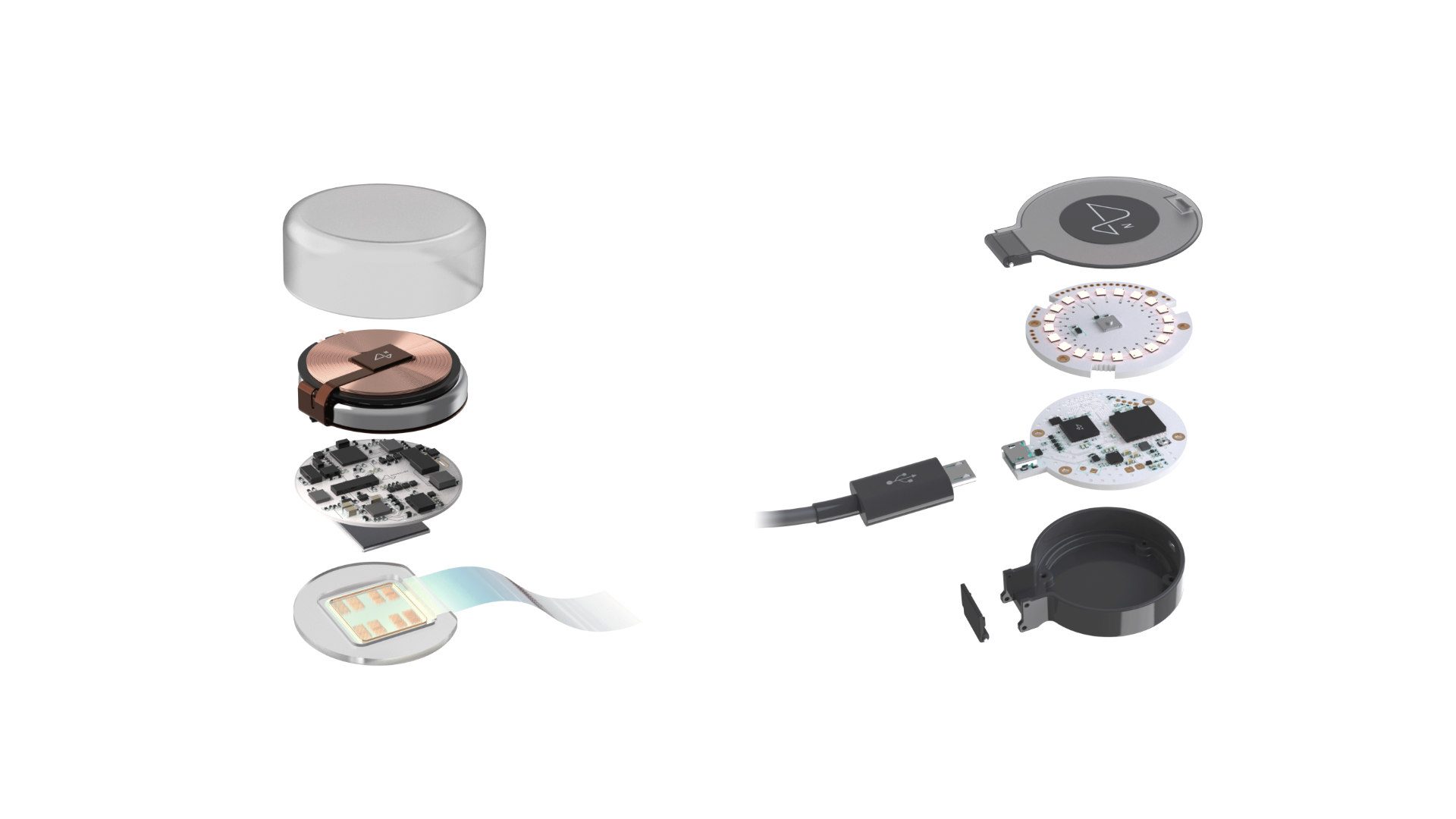
N1 Link (left), Removable charger/transmitter (right) | Image courtesy Neuralink

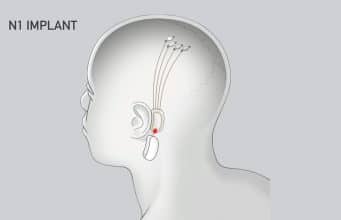
Neuralink’s N1 Implant is hermetically sealed in a biocompatible enclosure which the company says is capable of withstanding harsh physiological conditions. The N1 Implant is implanted by a custom a surgical robot; Neuralink says this ensures accurate and efficient placement of its 64 flexible threads which are distrusted to 1,024 electrodes.

Powered by a small lithium battery that can be wirelessly charged using a compact, inductive charger, the implant is said to incorporate custom low-power chips and electronics that process neural signals and transmit them wirelessly to the Neuralink Application.

Neuralink is currently focused on giving people with quadriplegia the ability to control computers and mobile devices with their thoughts. In the future, the company hopes to restore capabilities such as vision, motor function, and speech, and eventually expand “how we experience the world,” the company says on its website.

That last bit is undoubtedly the company’s most ambitious goal, which the company has said will not only include reading electrical brain signals from paralyzed and neurotypical users alike, but also eventually the ability to “write” signals back to the brain.

Elon Musk’s Brain-chip Startup Approved by FDA for Testing on Humans Read More »

twitter’s-withdrawal-from-disinformation-code-draws-ire-of-eu-politicians

Twitter’s withdrawal from disinformation code draws ire of EU politicians

Twitter’s withdrawal from disinformation code draws ire of EU politicians

Linnea Ahlgren

Story by

Linnea Ahlgren

Linnea is the senior editor at TNW, having joined in April 2023. She has a background in international relations and covers clean and climat Linnea is the senior editor at TNW, having joined in April 2023. She has a background in international relations and covers clean and climate tech, AI and quantum computing. But first, coffee.

Following a decision to pull Twitter out of the EU’s (voluntary) disinformation Code of Practice last week, the reactions have not been long in coming. Upon receiving the news, the bloc’s industry chief Thierry Breton said that Twitter would still need to abide by EU rules soon enough.

Or, as Monsieur Breton put it (tweeted, in fact) when referring to the Digital Services Act (DSA), which will make fighting disinformation a legal obligation from 25 August, “You can run, but you cannot hide.” 

Twitter leaves EU voluntary Code of Practice against disinformation.

But obligations remain. You can run but you can’t hide.

Beyond voluntary commitments, fighting disinformation will be legal obligation under #DSA as of August 25.

Our teams will be ready for enforcement.

— Thierry Breton (@ThierryBreton) May 26, 2023

Commissioner Breton was joined in his vexation today by France’s Digital Minister Jean-Noël Barrot. As reported by Politico, Barrot stated to the radio network France Info that, should Twitter fail to follow the new (and obligatory) rules laid down by the DSA, the company would get kicked out of the European Union. 

“Disinformation is one of the gravest threats weighing on our democracies,” said Barrot, as translated by Politico. “Twitter, if it repeatedly doesn’t follow our rules, will be banned from the EU.” 

First-of-its-kind self-regulatory rules

The code of conduct requires companies to measure their work on combating disinformation and issue regular reports on their progress. This includes things such as demonetising the dissemination of disinformation, ensuring transparency of political advertising, enhancing the cooperation with fact-checkers, and providing researchers with better data.

Google, TikTok, Microsoft, and Meta are all voluntary signatories. Twitter, obviously, was also part of the group up until last week.

There has been no official statement (or tweet for that matter) on the decision to leave, but it seems Elon Musk has changed his mind from four years ago, which was when the industry first agreed on the self-regulatory EU rules.

In an interview at the time, he stated that, “I think there should be regulations on social media to the degree that it negatively affects the public good. We can’t have like willy-nilly proliferation of fake news, that’s crazy.”

Blocking accounts on the behest of governments has increased

A $44 billion impulse purchase or not, changes have abounded at Twitter since Elon bought it. More than supplying the accounts of dead people with little blue ticks, it would seem that the new “era of free speech” he proclaimed is highly mutable.

Since Musk’s takeover, Twitter has actually become more compliant with government authority requests, including those of India and Turkey to block journalists, foreign politicians, and even poets. 

Musk has previously stated that he believes free speech to be that “which matches the law.” However, with the recent withdrawal from the disinformation code of conduct he has demonstrated he is not adverse to extracting his recently acquired company from regulations. 

By “free speech”, I simply mean that which matches the law.

I am against censorship that goes far beyond the law.

If people want less free speech, they will ask government to pass laws to that effect.

Therefore, going beyond the law is contrary to the will of the people.

— Elon Musk (@elonmusk) April 26, 2022

For once, it is not a tech lord threatening to leave the EU, but rather the bloc intimating that it might kick one out. Let’s see which way the DSA cookie will crumble. 

Get the TNW newsletter

Get the most important tech news in your inbox each week.

Also tagged with


Twitter’s withdrawal from disinformation code draws ire of EU politicians Read More »

german-startup-secures-funding-for-bizarre-twisted-fusion-machine

German startup secures funding for bizarre twisted fusion machine

German startup secures funding for bizarre twisted fusion machine

Siôn Geschwindt

Story by

Siôn Geschwindt

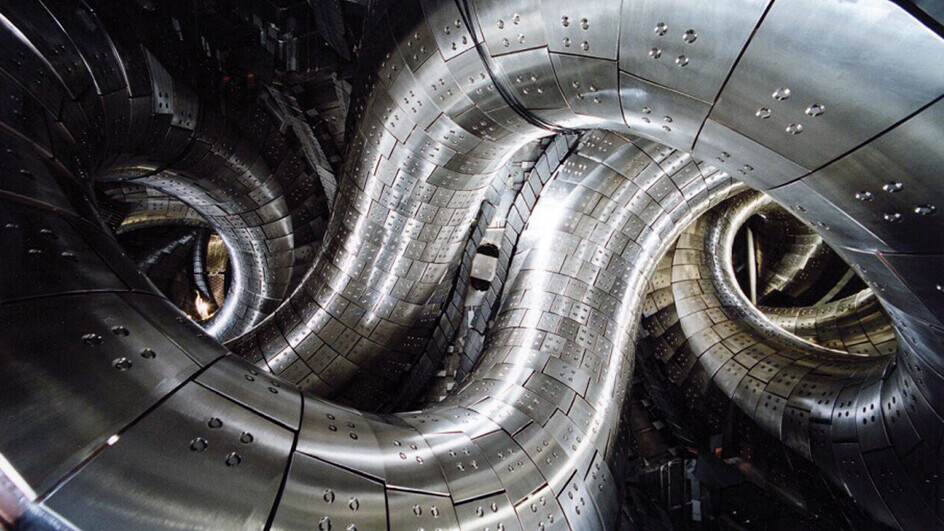
A German startup has secured its first investment to scale a bizarre twisted-looking fusion machine that could power the world with abundant, clean, and limitless energy.   

Proxima Fusion raised €‎7mn in funding to build a device known as a stellarator, a little-known fusion reactor that could hold the key to unlocking the potential of atom-fusing power within our lifetime.  

While the initial funding round was small, it is noteworthy because the startup is the first spinout from Germany’s esteemed Max Planck Institute for Plasma Physics.  

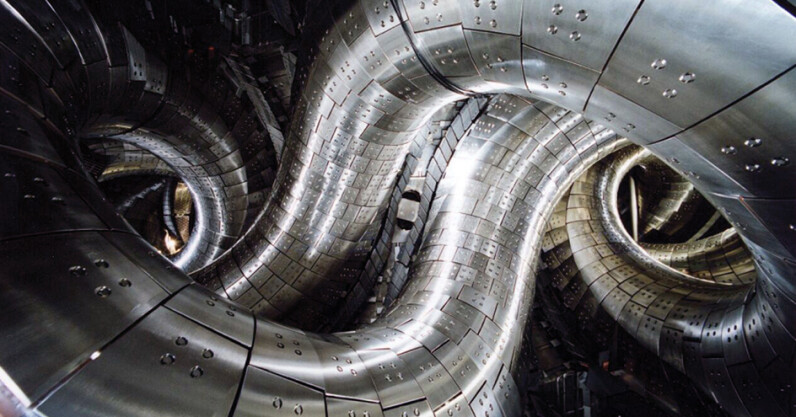
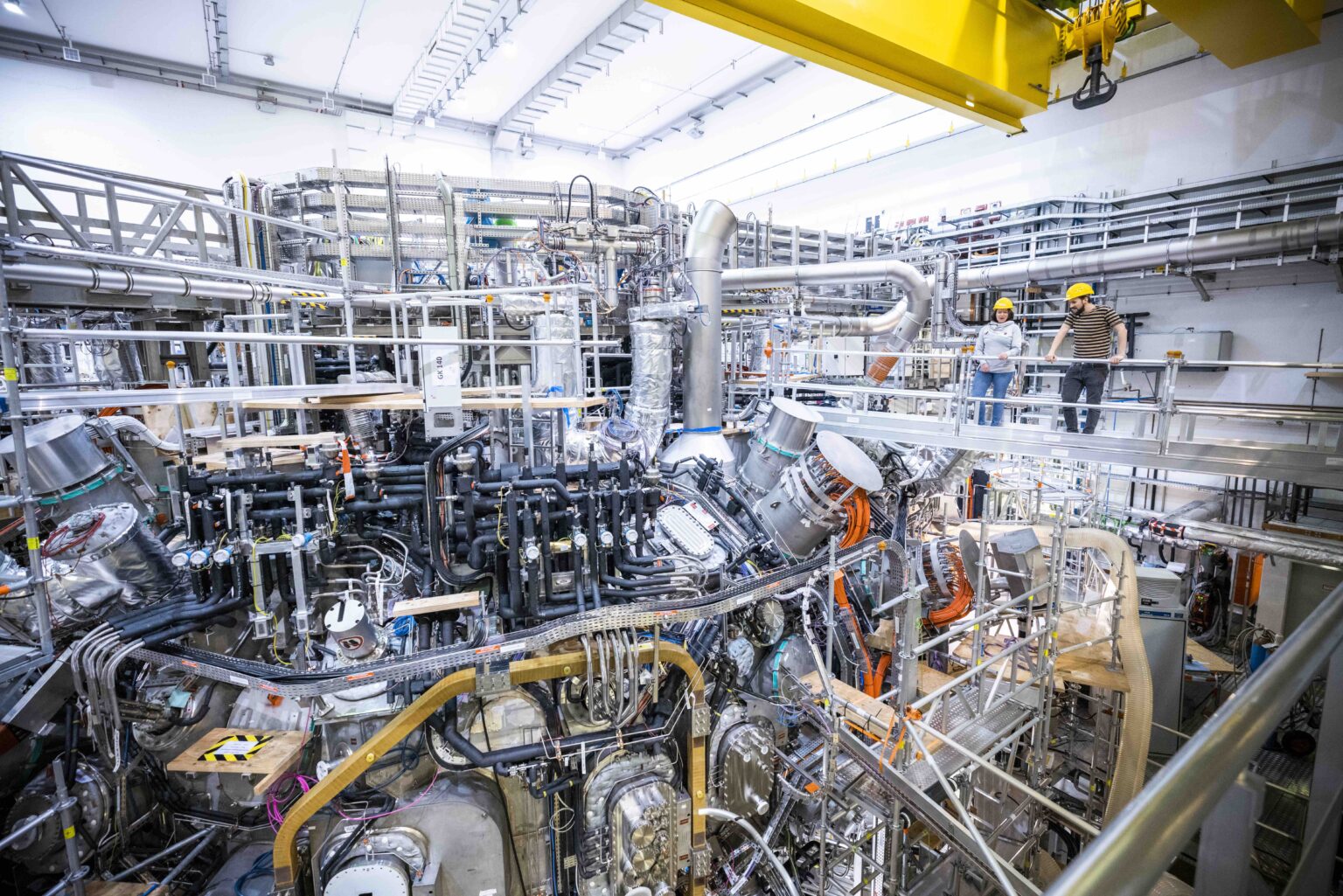
The institute is solely dedicated to fusion research and is home to the world’s largest stellarator. Dubbed the Wendelstein 7-X, the machine is the result of 27 years of research and design (and €‎1.3bn of investment), aided by recent advancements in supercomputing and state-of-the-art plasma theory. 

german-startup-fusion-energy
Wendelstein 7-X — this heap of metal, pipes, and plasma could be the energy plant of the future. Credit: Max Plank Institute/Jan Hosan

While the physics behind the machine is extremely complicated, what matters is that stellarators offer a number of potential advantages to the more popular doughnut-shaped tokamak — a design that has dominated the fusion sector for decades.  

The twisted configuration of the superconducting magnets in a stellarator help to keep the super-heated plasma they contain stable enough to fuse nuclei and release energy. Even more crucial for a future fusion power plant, they can theoretically operate continuously, whereas tokamaks must stop periodically to reset their magnet coils. 

However, stellarators are notoriously complex to design and build, which is why they were largely set aside in the 1960s in favour of their simpler cousin, the tokamak. 

“A tokamak is kind of easy to design, hard to operate, whereas a stellarator is super hard to design but once you’ve designed it, it’s way easier to operate,” Ian Hogarth, co-founder of Plural Platform, which is leading the €7mn investment, told the Financial Times.

Since the German Chancellor at the time, Angela Merkel, turned on W7-X in 2016, it has achieved a number of scientific breakthroughs that are “basically defining the whole field of magnetic confinement fusion,” said Hogarth.  

Fusion physicist Josefine Proll of the Eindhoven University of Technology is equally excited. “All of a sudden, stellarators are back in the game,” she said

Proxima Fusion, aided by the initial investment, looks to take these developments commercial. Its CEO Francesco Sciortino believes that the startup’s connection to the Max Planck Institute, which has more people working on plasma physics than MIT, offers a unique advantage. “The question is, can we execute just as well, and really make this a European champion?” he asked. 

While private investment has poured into tokamak pioneers — such as the likes of MIT spinout CFS, valued at over $2bn — recent breakthroughs in stellarator technology could pave the way for a new cohort of fusion startups like Proxima. 

Type One, a spinoff from the University of Wisconsin-Madison, and Proxima’s only other competitor so far, raised $29mn in March from Bill Gates’ Breakthrough Ventures to develop a commercially viable stellarator. 

While the stellarator startup scene is powering up, Thomas Klinger, director of the Max Planck Institute’s Greifswald branch, cautioned that commercially viable operations could still be 25 years away. 

However, if the technology can deliver on the promise of limitless, clean energy — then it’s probably worth the wait. 

If you, like me, would really like to nerd out on stellarator technology a bit more, check out this fascinating explainer from the Max Planck Institute: