Thomas is a senior reporter at TNW. He covers European tech, with a focus on deeptech, startups, and government policy. Thomas is a senior reporter at TNW. He covers European tech, with a focus on deeptech, startups, and government policy.
Cultivated meat is on its way to American plates — and European startups want a spot in the kitchen.
In a landmark moment for the sector, the US Department of Agriculture (USDA) has given two companies approval to sell lab-grown meat, which is made by taking cells from living animals.
After extraction, the cells are placed in a bioreactor and grown into muscle tissue. Finally, the flesh is shaped into the type of cuts found on supermarket shelves.
Proponents say the process reduces our carbon footprint and prevents animal suffering, while producing the same meat products that we know and love. It could also be big business: McKinsey predicts the market could reach $25 billion (€23 billion) by 2030.
That market could now slowly start to open up. Only Singapore had previously permitted sales of cultivated meat. The USDA approval brings one of the world’s biggest consumers and producers of meat to the table. It could also convince other countries to take a seat.
“European companies are beginning to look across the Atlantic.
In Europe, cultivated meat startups want regulators to follow the USDA’s lead. Among them are 3D Bio-Tissues, a Newcastle University spin-out. In February, the company unveiled the world’s first lab-grown steak fillet.
Che Connon, the firm’s CEO, described the new approvals as “a monumental milestone” for the industry.
“US regulations for food safety are some of the most stringent in the world… This decision has the potential to rapidly accelerate the development of the cultivated meat market in America and provides a clear framework for other countries to also follow,” he said.
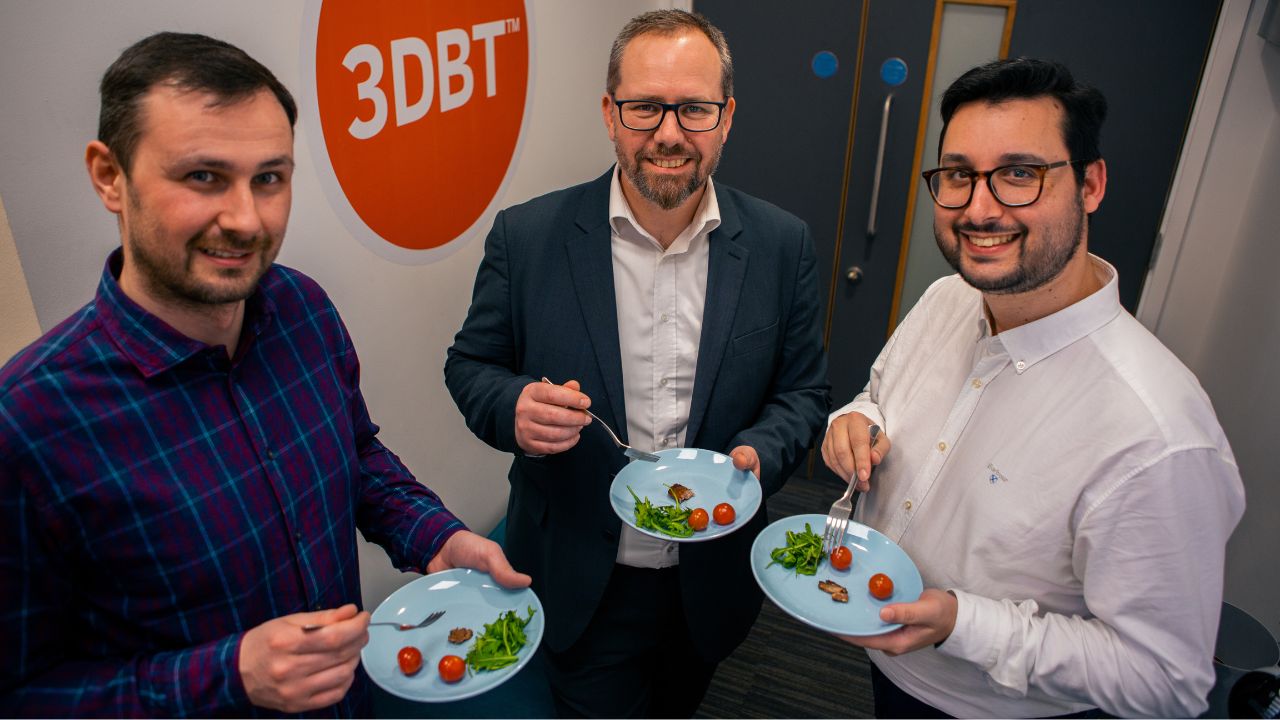
Cannon (centre) is both an entrepreneur and a professor of tissue engineering at Newcastle University. Credit: 3DBT
The celebratory reaction was echoed at Meatable, a startup based in the Netherlands. Krijn de Nood, the company’s CEO and co-founder, is optimistic about developments in Europe.
“In the EU and UK, we’re also seeing positive support in the regulatory landscape, with governments looking to remove the barriers to bringing cultivated meat to consumers and providing funding for innovation in food production including cell-based foods,” he said.
However, not everyone is happy with the progress.
De Nood (left) and Meatable co-founder Daan Luining recently received approval for tasting in Singapore. Credit: Meatable
The regulatory breakthrough has made the US an attractive market for Europe’s cultivated meat startups. Meatable, for instance, is now working to secure US approval for its products.
Some industry insiders worry that Europe is falling behind. The Good Food Institute, a non-profit think tank, has called for the continent’s policymakers to catch up.
“American consumers will soon be able to taste real chicken made without farming animals — so European companies are beginning to look across the Atlantic to take their products to market,” said Alice Ravenscroft, head of policy at the non-profit Good Food Institute Europe.
“Cultivated meat has the potential to slash emissions, boost our food security and expand consumer choice. The EU must step up its investment in the sector and ensure regulatory processes are robust and transparent, or risk missing out on this crucial climate solution and economic opportunity.”
Get the TNW newsletter
Get the most important tech news in your inbox each week.
Siôn is a reporter at TNW. From startups to tech giants, he covers the length and breadth of the European tech ecosystem. With a background Siôn is a reporter at TNW. From startups to tech giants, he covers the length and breadth of the European tech ecosystem. With a background in environmental science, Siôn has a bias for solutions delivering environmental and social impact at scale.
Lithuania is planning to build Europe’s largest startup campus in the capital Vilnius, as it looks to attract the next in tech talent.
Lithuanian co-working company Tech Zity is investing €100m into the new campus which, upon completion in 2024, will provide private workspace for some 5,000 tech workers.
The hub will also house co-working and co-living spaces, events spaces, meeting rooms, and no less than 10 restaurants. The site will be open 24/7 to cater to an “increasing number of hybrid workers.”
The centre has a floor space equivalent to 10 football fields, making it two-thirds larger than Europe’s current largest startup campus — Paris’ Station F.
A 3D render of ‘Europe’s largest tech hub’ planned for an old industrial site in Lithuania’s capital, Vilnius. Credit: Tech Zity/DO ARCHITECTS
The <3 of EU tech
The latest rumblings from the EU tech scene, a story from our wise ol’ founder Boris, and some questionable AI art. It’s free, every week, in your inbox. Sign up now!
Between 2017-2022, Lithuania has grown its digital economy by 16.8x annually – with the ecosystem now valued at over €9.5bn.
The country showed resilience in tech funding in 2022, recording its second-best year ever in terms of VC funding despite a turbulent year for the global technology sector.
“When I started investing in the Vilnius tech ecosystem in 2009 you could fit the entire tech ecosystem in one room,” said Darius Žakaitis, founder of Tech Zity. “Now the city is home to some of Europe’s best-known tech firms.”
Vilnius is the fastest-growing tech ecosystem in central and eastern Europe — home to a host of unicorns, including cybersecurity firm Nord Security (NordVPN) and second-hand clothing marketplace Vinted.
Darius hopes the new centre will cater to this growing ecosystem and appeal to tech firms at every level — “everyone from pre-seed startups, through to the likes of Google, can call Vilnius their home,” he said.
Tech Zity will renovate a number of old sewing factories in Vilnius’ New Town to create the new campus. Many of the old-school aesthetics will be retained but with several modern touches. The developer said it wants to “protect the building’s history and identity” while creating workspaces that workers are “excited to return to post-pandemic.”
This old sewing factory will form the basis of the new tech hub. Credit: Tech Zity
Around 70% of building work is based on renovation, with only 30% of campus space being built from the ground up. By reusing much of the existing building, the project could save over 500 million tonnes of carbon throughout the construction process.
Tech Zity already manages three tech campuses in Vilnius, including Tech Park, Tech Loft, and Tech Spa, which are home to companies like Google, Bored Panda, and Kilo Health. Its most ambitious project yet, the new tech mega-campus is part-funded by Tech Zity’s existing operations — with support from Mantas Mikuckas, the COO and founder of Vinted. The developer remains in talks with a number of investment banks, family offices, and institutional investors for additional funding.
Get the TNW newsletter
Get the most important tech news in your inbox each week.
At least from the outside, it appears Microsoft isn’t actively competing for a seat at the XR table, which is fairly odd coming from a company that pioneered enterprise AR while simultaneously wrangling some of its top OEM partners to make a fleet of PC VR headsets for consumers in 2017. Microsoft gained a great early start, but now the Redmond-based tech giant is positioned to play catchup, which historically hasn’t worked out that well. Could we be in for another ‘Zune moment’? If Microsoft goes in half-cocked, maybe.
Microsoft released the first-gen Zune in 2006, an MP3 player that looked to compete with Apple’s largely dominant line of iPods. By “largely dominant,” I mean Apple not only had majority market share of the product category, making it synonymous with portable music at the time, but had already produced numerous generations of iPod Classic, iPod Mini, iPod Nano and iPod Shuffle. Apple wasn’t the first to make a portable MP3 player, although it was the first to make one everyone wanted.
Now, I can hear the Zune defenders in my head, and I sympathize. Zune wasn’t terrible, and it came at a time when full-color screens in MP3 players were just becoming a thing. It had a compelling reason to exist, which is why Microsoft directly competed against iPod Touch over the course of three device generations before eventually giving up the goat in 2011 and discontinuing the third-gen Zune. Many chalk it up to poor marketing, lack of brand cache, and not enough music to choose from. Zooming out, Zune’s ultimate defeat belies a larger pattern of behavior.
Image courtesy Digital Trends
Zune didn’t generate the sort of loyal customer base that Apple had in spades because entering rapidly evolving product categories isn’t easy. By the time platforms solidify, companies that come too late are usually tasked with flipping what’s left of undecided users or attracting users away from other ecosystems with unique selling points. Even with viable hardware on your side, it’s not an easy thing to do.
To put it into perspective, Zune entered the market one year before Apple announced the first iPhone. From that moment Microsoft was forced to play catchup not only with its MP3 players, but with its widely maligned Windows Phones which came afterwards, of which there are famously few defenders. Needless to say, Apple’s iPhone is still kicking, and that iPod/iPhone success story is why Apple is largest company in the world.
Breaking the Zune Curse?
Don’t get me wrong, Microsoft has success stories. Windows is still the world’s largest PC operating system. Azure Cloud Platform competes alongside AWS and Google Cloud. There’s a reason why we call digital slideshows a PowerPoint no matter which program you use to make them, and that’s thanks to Microsoft’s ongoing dominance in the general computing space. When Microsoft gets in early and sticks it out, you don’t generally get a Zune.
To its credit, the company had the foresight to release HoloLens in 2016, a full two years before unicorn startup Magic Leap could get its first standalone AR headset out the door. Three years later it released HoloLens 2, which directly competes today against Magic Leap Two. When HoloLens 3 will arrive, or whether it’s even in the works, still isn’t clear. We’re hoping they stick it out and it doesn’t turn into a ‘Zune moment’ down the line.
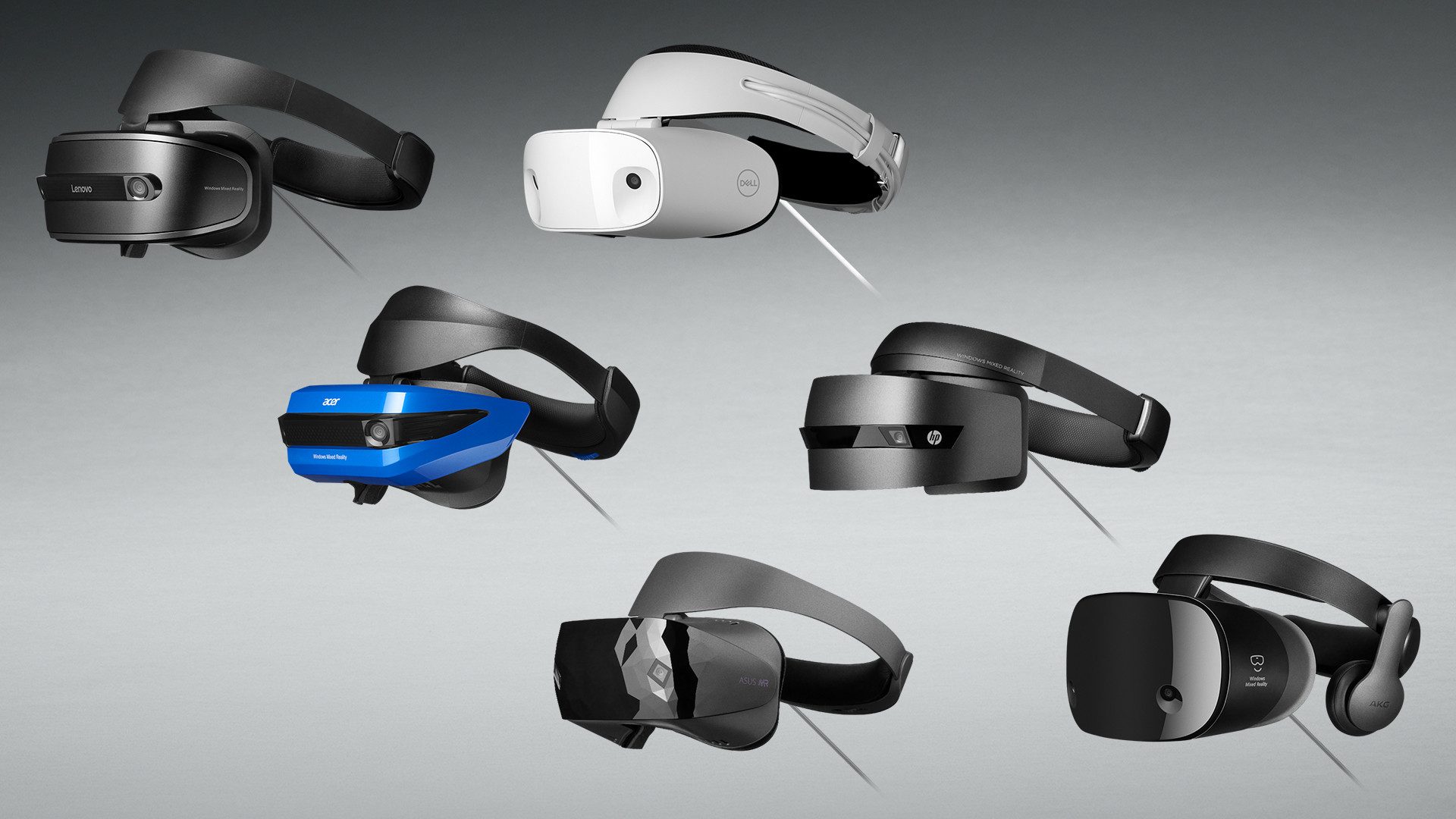
The first wave of WMR headsets launched in 2017 | Image courtesy Microsoft
In 2017, Microsoft also managed to assemble a host of major OEMs to create what would be the first Windows VR headsets, which included PC VR headsets from Dell, Lenovo, Acer, HP, Samsung, and Asus. It was a good opening gambit to break up the Oculus/HTC Vive PC VR binary that had developed a year prior, although those Windows VR headsets weren’t just new hardware destined to hook into Steam content. Microsoft made its own Windows Mixed Reality Store which ultimately failed to compete with Steam for developers, which was kind of like a Zune owner somehow getting all their music from iTunes and not Zune Marketplace.
And we’re still early, although that may not be the case for long. Compared to smartphones today, the current XR landscape is toddling out of its infancy. You’d be surprised how much competition there is already, not only across multiple hardware platforms, but entire content ecosystems—something you can’t just grow over night. Currently major contenders are Meta, Sony, HTC, Valve, Pico, Pimax, and Apple starting next year. The future leaders are shaping up to be Sony, Meta and Apple, the last two moving into mixed reality (Meta Quest Pro, Meta Quest 3, Apple Vision Pro) which feature VR displays and color passthrough cameras for AR tasks, while Sony is already in their second-gen PlayStation VR. Things are changing, and Apple jumping into XR could see a host of other companies deciding they want a piece of the pie fairly soon.
Whatever the time frame, eventually the amount of money Microsoft leaves on the table is going to pile up until it can’t be ignored. That’s essentially the strategy the company has decided to take with Xbox at least, with Xbox Game Studio head Matt Booty saying in a recent Hollywood Reporter interview that VR just isn’t big enough yet.
“We have 10 games that have achieved over 10 million players life-to-date, which is a pretty big accomplishment, but that’s the kind of scale that we need to see success for the game and it’s just, it’s not quite there yet with AR, VR,” Booty told the Hollywood Reporter.
So, while we’re no closer to knowing when Microsoft will decide it’s the right time to enter into VR (or MR for that matter), the company is well equipped and funded to break the Zune curse. Whenever Microsoft chooses to compete in consumer XR, any potential failure can’t be blamed on the lack of resources. The company now boasts a vast collection of game studios it can weaponize, which includes the entire Zenimax family of studios, including Bethesda, Arkane Studios, id Software, MachineGames, Tango Gameworks, and ZeniMax Online Studios. Provided the contentious Activision Blizzard acquisition goes through, Microsoft will also own World of Warcraft, Call of Duty, and Diablo franchises. That untapped library of IP and developer talents could make whatever Microsoft decides to bring to the XR table a serious contender.
Just the same, if the megalithic Microsoft can’t overcome what must be a massive internal friction to put out something focused, timely and well-supported, whatever it makes might as well be Zune.
Quest 3 was announced just three weeks ago, and yet the headset is already listed at Best Buy. Though its resolution hasn’t been officially announced, the page gives us a big clue.
Meta offered a partial reveal of Quest 3 earlier this month, promising that we’d get a more full look at the new headset during the company’s annual XR conference, Meta Connect, at the end of September. The timing of the headset’s reveal came just ahead of the reveal of Apple Vision Pro (and we don’t think that was a coincidence).
The store page already lists the headset with a model number, SKU, UPC, correct price, and product description, suggesting this isn’t an early fluke, but rather a product page for a soon-to-launch product. These details also suggest that Quest 3 has already passed FCC certification, which is required before it can go on sale.
And there’s a big hint on the page about the Quest 3 resolution, which Meta has yet to confirm.
According to the description, the headset has “a nearly 30% leap in resolution from Quest 2.”
Quest 2 has a resolution of about 3.5MP (1,920 × 1,832 per-eye); a 30% jump should mean Quest 3 has around 4.5MP—probably meaning around 2,160 × 2,160 resolution per-eye.
An Early Release Date for Quest 3?
Prior to its appearance at Best Buy we would have guessed that Quest 3 would launch in mid-October at the earliest—almost four months from now—which would align with both the 2023 holiday shopping season and the same timeframe of the Quest 2 launch.
But with the Best Buy product listing, it’s starting to look like the headset is rearing to go, making it feel like there’s a chance that Meta doesn’t just reveal the headset at its Connect conference at the end of September, but might even make it available immediately thereafter.
But why? Well, it’s clear that Meta has been responding to Apple’s moves now that Vision Pro is out in the wild. Even though the $500 Quest 3 isn’t remotely in the same ballpark as the $3,500 Vision Pro, Meta can already see the writing on the wall. The company may be posturing to protect its early lead in the XR space, trying to get Quest 3 out the door and in as many hands as possible before the Vision Pro’s early 2024 release.
Looking to get your hands on arguably the best PC VR headsets out there? Well, you might consider GameStop’s refurbished units for $600.
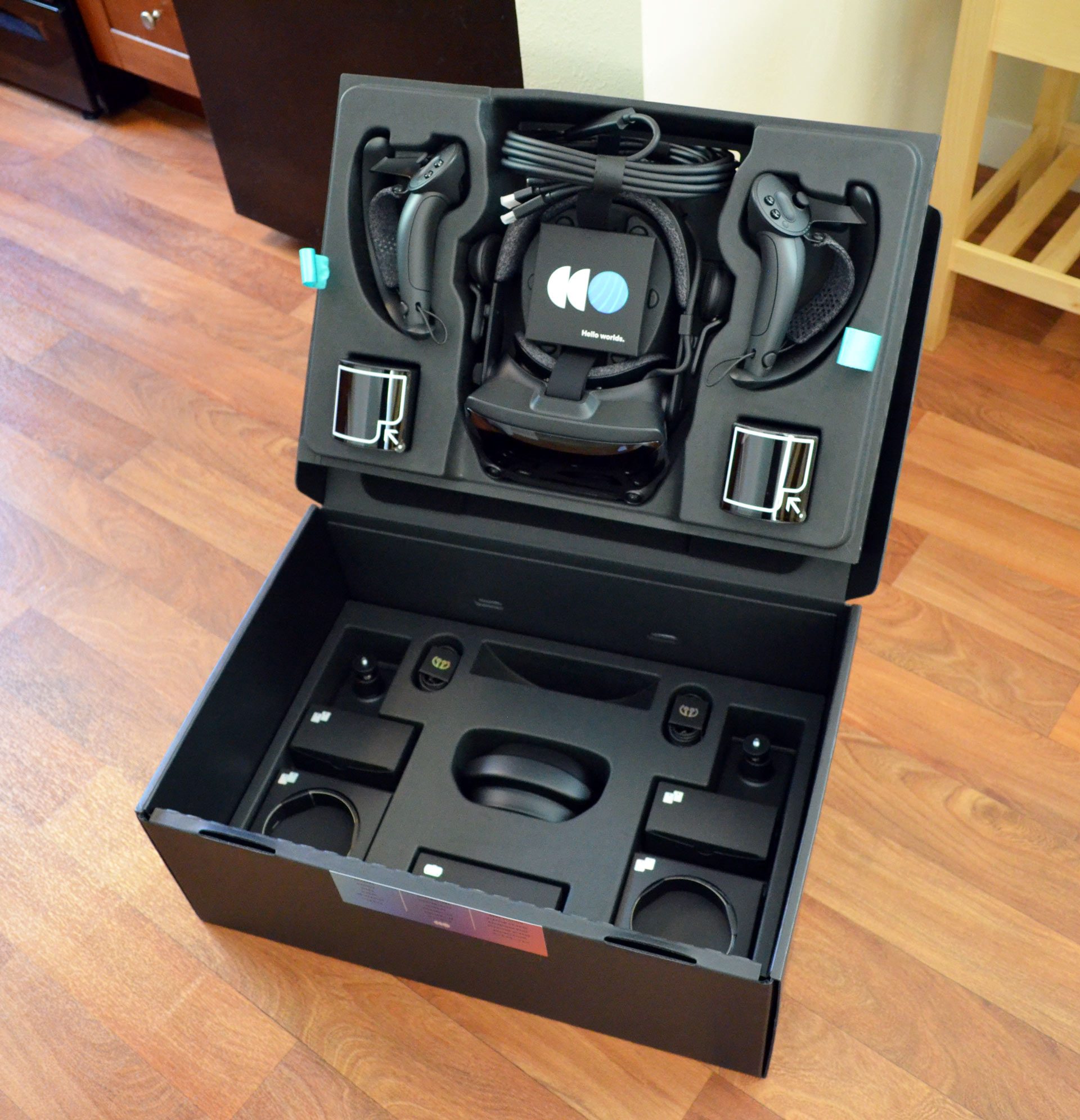
Used, refurbished units typically sell through GameStop for $700, which includes the full kit and kaboodle: SteamVR tracking base stations, Index motion controllers, cables, and of course the Index headset itself.
Now that package is on sale for $100 off, bringing it way below its $1,000 all-in price when new. All you’ll need left to play a host of SteamVR content, such as the award-winning Half-Life: Alyx, is a VR-ready PC.
Before plonking down those six crisp Benjamins though, you might want to try out Steam’s VR Performance Test first to see if your system has what it takes.
Photo by Road to VR
But the last hurdle to overcome is invariably deciding whether it’s worth that price in 2023, as Index is now nearly four years old. For the long of it, check out our 2023 VR headset buyer’s guide. Here’s the short of it:
If you’re looking for a good all-in alterative to the Index deal, Meta’s Quest 2 is cheap and cheerful at $300. In addition to offering its own native library of standalone content, it also works as a PC VR headset thanks to both a wired and wireless PC connection.
You can also pick up a refurbished HP Reverb G2 from NewEgg for $390—another headset that made our list. It’s a good all-around PC VR headset, although controller latency is markedly worse than either Quest 2 or SteamVR-tracked headsets like Index or anything HTC offers.
Wherever you look though, you’d be hard-pressed to find anything new for $600 that matches Index’s still excellent displays, off-ear audio, ergonomic headstrap, and Index controllers.
Here’s a full list of what’s included:
What’s in the Box
Headset
Integrated Headphones
Headset Cable
Headset Connection Cable with DisplayPort 1.2 and USB 3.0 Connections
Thomas is a senior reporter at TNW. He covers European tech, with a focus on deeptech, startups, and government policy. Thomas is a senior reporter at TNW. He covers European tech, with a focus on deeptech, startups, and government policy.
A new algorithm can determine male fertility at a faster and more accurate rate than previously possible, according to research by UK startup Bayezian.
The breakthrough arrives amid growing issues for couples trying to get pregnant.
A recent report from the World Health Organisation estimated that one in six people globally is now affected by infertility. Despite perceptions that it’s “women’s business,” men now contribute to approximately 50% of fertility problems.
Indeed, the male factor has become a growing concern. Recent research found that sperm counts have dropped by more than 50% over the past 45 years, with double the rate of decline since 2000. Up to 7% of men are now affected by infertility, but getting a diagnosiscan be slow, expensive, and inconclusive.
These issues have triggered calls for better fertility testing. Around 18 months ago, Bayezian was asked to help. The company, which provides data science and machine learning incubation services, applied AI to the problem.
“We see accurate diagnosis as a critical tool in helping address male fertility.
Bayezian sought a solution in the MHSMA dataset, a collection of sperm images from 235 patients with male factor infertility. Each image is labelled by experts for normal or abnormal sperm acrosome, head, vacuole, and tail, which has made it an attractive dataset for machine learning studies.
Using the dataset, the research team built deep learning frameworks that can see a sperm’s morphology.
According to Bayezian, their algorithm spots differences that the human eye can’t perceive. The company says it can identify sperm fertility with a 96% accuracy rate — 2% higher than existing scientific approaches.
“This project is the perfect example of the tech for good approach that the team is undertaking,” said Ed Dixon, founder and CEO of Bayezian. “We see accurate diagnosis as a critical tool in helping address male fertility.”
Get the TNW newsletter
Get the most important tech news in your inbox each week.
Martin SFP Bryant is the founder of UK startup newsletter PreSeed Now and technology and media consultancy Big Revolution. He was previously Martin SFP Bryant is the founder of UK startup newsletter PreSeed Now and technology and media consultancy Big Revolution. He was previously Editor-in-Chief at TNW.
This story is syndicated from the premium edition of PreSeed Now, a newsletter that digs into the product, market, and founder story of UK-founded startups so you can understand how they fit into what’s happening in the wider world and startup ecosystem.
The space race is back on, with a growing number of commercial operators keen to follow in SpaceX’s exhaust trail.
This means there’s real demand to accelerate the timelines for testing a wide range of devices and materials for use up in space. After our recent coverage of Space DOTS, let’s take a look at another company doing work in this field.
Gravitilab is opening up new opportunities for testing in microgravity — the weightlessness experienced in space, which can make anything we take up there work differently to how it does on Earth.
The <3 of EU tech
The latest rumblings from the EU tech scene, a story from our wise ol’ founder Boris, and some questionable AI art. It’s free, every week, in your inbox. Sign up now!
“All of the grand challenges facing humanity: climate change, feeding the world, healthcare challenges, and in our sector, space debris – they all require access to microgravity for research and testing,” says CEO Rob Adlard.
“And that market is really choked. In fact, it’s not a true market right now. And so we’re blowing this wide open with some new hardware and a new approach to it.”
Practically speaking, what Norfolk-based Gravitilab does is take a research experiment or a piece of industrial hardware from a customer, putting it in microgravity and then returning it with data about what happened.
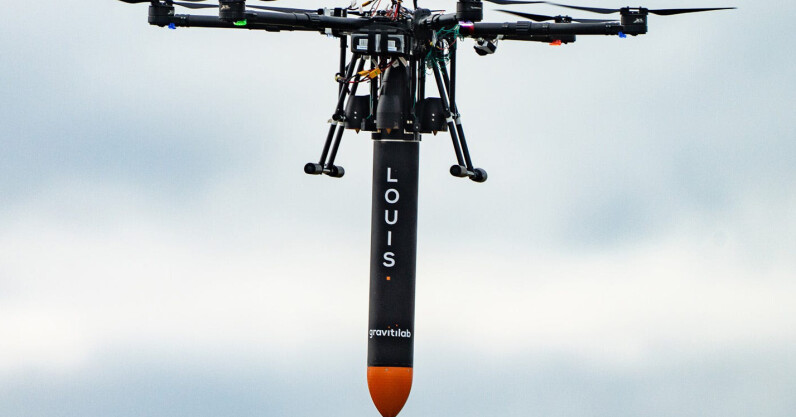
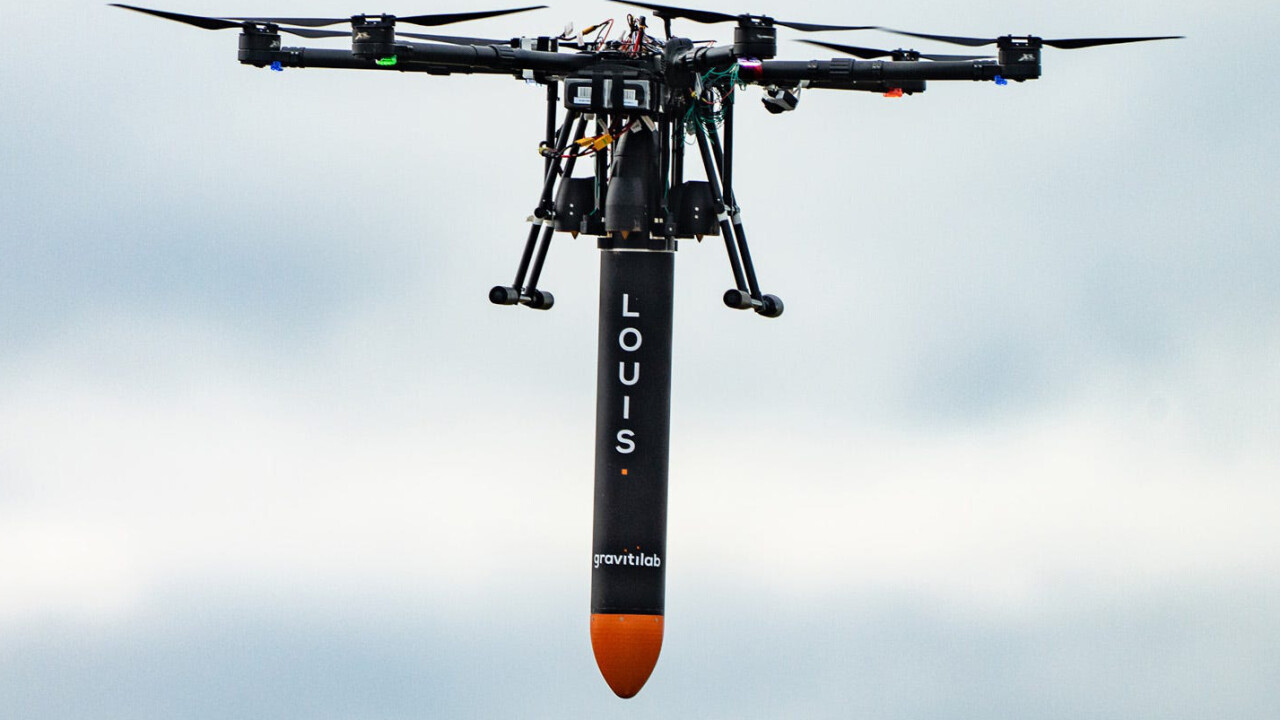
To this end, the startup is developing two products. The first is a UAV called LOUIS that can generate a few seconds of microgravity without going into space (you might have seen this in the news a couple of months ago).
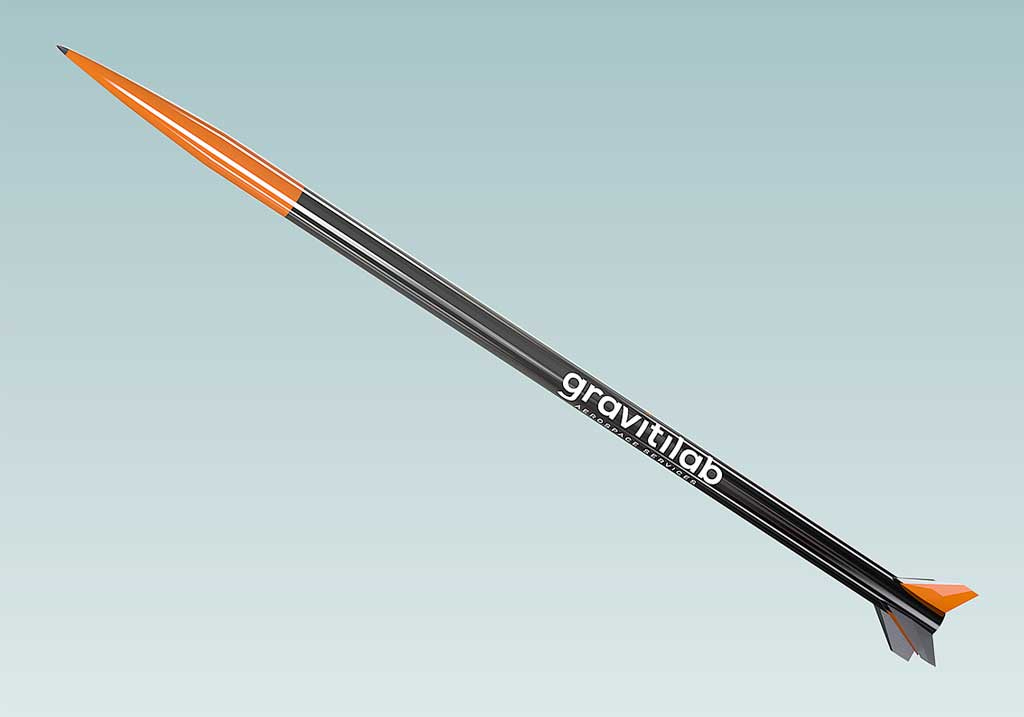
The second is a suborbital launch vehicle called ISAAC that will take payloads into space for a few minutes before returning them.
Gravitilab’s ISAAC rocket, currently in development
“It’s funny, in a way. You think that everything that happens on Earth is perfectly natural, and it’s the way it’s meant to be. But actually gravity is a pollutant. And it stops us being able to see what the physics actually is,” explains Adlard.
“Microgravity is an absence of things that exist on Earth; buoyancy, hydrostatic pressure, and sedimentation. The absence of those three things make everything function differently… and it’s really quite surprising what happens. You couldn’t really guess what’s going to happen.”
Even chemical reactions can occur differently in space.
“You’re only doing chemistry until you’re doing it in microgravity, and then you’re doing physics,” Adlard jokes.
The opportunities here include supporting academic research and the burgeoning satellite industry.
On the academic side for example, Adlard says Gravitlab is working with Manchester University to replicate a lab experiment in space.
“It involves heating up some material. That’s quite a complicated thing to do on a spacecraft. So we’ve got to spend quite a long time developing a payload making that into something which is flyable.”
As for satellites, Adlard says the high failure rate of nanosatellites can be up to 50%. So, being able to test how they’ll handle the space environment before they’re deployed can save major headaches and yet more space debris later.
“There are 1,000 startups building new, innovative hardware that’s never been flown before. So there’s a great need to get all that done. We’re in the supply chain for the space economy.”
Rob Adlard
Adlard co-founded Gravitilab in 2018 with the specific aim of tackling the queue of companies trying to get their products into the space economy, in the wake of the way SpaceX had rethought the sector.
With a background in aeronautics and space engineering, he began to consider new applications for an existing technology.
“I became very interested in what smaller rockets and suborbital rockets can do. In the past, suborbital rockets used to be just technology demonstrators – a stepping stone to something else. I think it’s only recently they’ve taken on this sort of different significance.
“If you said to anybody in the industry ‘would it be valuable to be able to put something into space for a few minutes and get it back in your hand the same day?’, everybody would say ‘yeah, oh my goodness, that’s incredible, what have you invented?’
“Well, it’s a suborbital rocket, which is something that people are familiar with, but nobody had thought about it in that way.”
Adlard met co-founder James Kilpatrick (now the company’s chair and CFO), and they established Gravitilab, initially under the name Raptor Aerospace. Once they’d figured out a clear path forward for the company, they rebranded to a name that better reflected their mission.
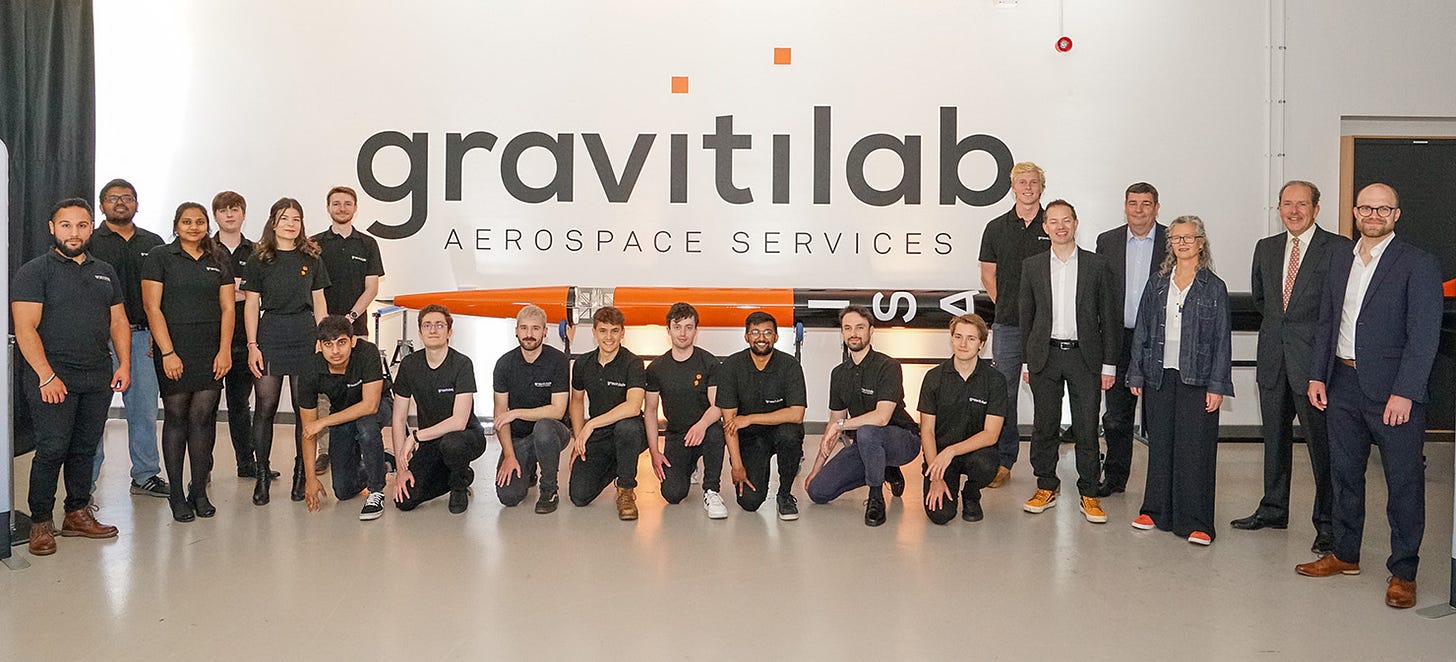
The Gravitilab team
Adlard says Gravilab’s UAV, LOUIS, is being readied for an official launch into the market this summer.
“It took a lot longer to develop than expected,” he says. “It took about 18 months for us to get permission to do a first flight with it. And we needed to do the first flight in order to then develop all the rest of it.”
He says he’s looking forward to showing it off more, as many in the industry don’t understand clearly what it is yet.
While he prefers not to share too many details of exactly how it works, Adlard says this much: “essentially it overcomes the acceleration due to gravity, by accelerating at the appropriate rate so that the payload inside experiences the inverse of the acceleration of the vehicle.”
The startup is also developing a variant of LOUIS called JACQUES, which can provide ‘partial’ gravity, for customers who want to simulate gravity on the Moon or Mars.
The startup’s suborbital rocket, ISAAC, is a longer-term project. A new version of its engine is currently in development, with plans for a test flight in January next year.
As an early-stage startup in spacetech, Gravitilab has raised more than most startups we feature in PreSeed Now.
They’ve previously raised £2.2 million in investment. They’ve also won a recent grant of £400,000 from the UK Space Agency on top of previous business support grants from local authorities.
Gravitilab is now raising a £5 million round to accelerate its R&D phase and allow it to begin commercialisation. Adlard says there is a pipeline of customers lined up.
Adlard wants Gravitilab to penetrate deeper into the microgravity market over time. This will involve developing a larger vehicle to support larger payloads and longer periods of weightlessness.
But he also wants the company to tackle the environmental impact of the space industry.
“We are developing a new fuel for our engine, which will mean that we have a carbon neutral fuel source, which is really quite unusual. We’ve got a particular set of propellants that fuels our hybrid rocket engine, so it’s quite different to liquid engines.
“There are a number of things that we could do with that propulsion technology. We could do things with in-space propulsion. We’ve got some exciting plans for things that might happen in about five years’ time. But it’s all to do with sustainability, reducing space debris, cleaner propulsion and just providing great space services.”
In a busy market of startups targeting the space economy, Gravitilab appears to largely stand alone.
“Nobody’s doing anything that is targeted at opening up this choked market,” Adlard says.
“You can access microgravity right now through the NASA and ESA programmes, but only a couple of organisations can, and it has to be very specific, if they win a competition to do it. And you can’t really access that commercially. Certainly in Europe, if you’re one of these 1,000 startups trying to develop hardware, you can’t access that, in order to test your hardware. You just can’t do it.”
Another alternative would be a ‘drop tower’–such as the one belonging to the European Space Agency in Germany–which allows for short microgravity experiments on Earth.
Gravitilab promises to be a more affordable and more flexible option though, and allow for multiple drops each day. The LOUIS UAV can be delivered to the customer, rather than the customer having to travel.
Meanwhile, a US-based company called bluShift Aerospace is offering to facilitate experiments in space in a rocket. But again, Adlard says flexibility is Gravitilab’s advantage here. A smaller payload means they won’t need as many customers to fill the space and justify a launch of their ISAAC rocket
And Adlard says Gravitilab, across its products, will offer a wider variety of microgravity time to suit different customers’ needs.
Aside from the obvious difficulties around making sure the company has the right funding at the right time, another challenge Gravitilab could face relates to the UK’s relatively recent entry into the space industry.
“The UK lags behind a bit with national programmes and national ambition,” Adlard says.
“There isn’t really a space market in the world that hasn’t been supported to some extent by its government, because it needed that help because it’s so new and it’s so different… SpaceX would have folded if they hadn’t got a NASA contract at just the right time for them, to be blunt about it.
“The US has got significant funding for researchers to use microgravity. Germany has its own programme, and the UK’s got nothing. We can’t access the EU programmes… It would be great if in the push to be a ‘science superpower’, they would put some funding into that kind of research.”
The article you just read is from the premium edition of PreSeed Now. This is a newsletter that digs into the product, market, and story of startups that were founded in the UK. The goal is to help you understand how these businesses fit into what’s happening in the wider world and startup ecosystem.
Get the TNW newsletter
Get the most important tech news in your inbox each week.
Siôn is a reporter at TNW. From startups to tech giants, he covers the length and breadth of the European tech ecosystem. With a background Siôn is a reporter at TNW. From startups to tech giants, he covers the length and breadth of the European tech ecosystem. With a background in environmental science, Siôn has a bias for solutions delivering environmental and social impact at scale.
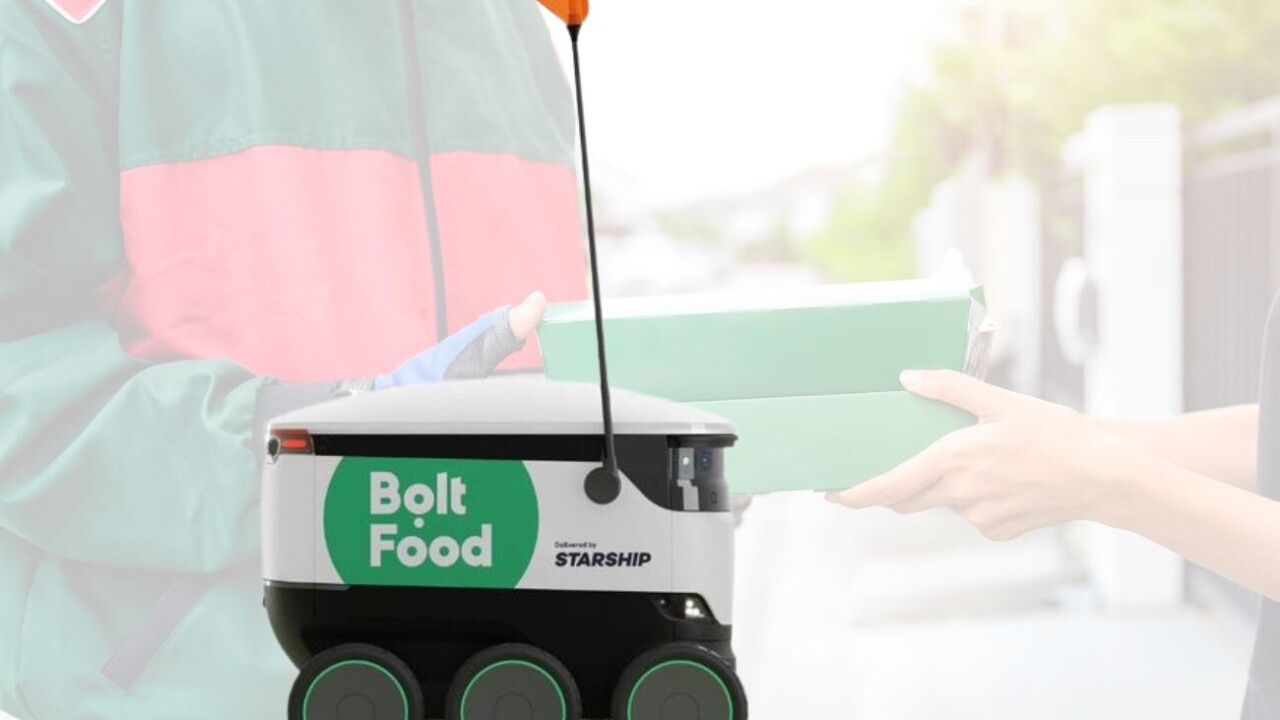
European ride-hailing firm Bolt will start using self-driving robots to deliver customers’ food as part of a new partnership with fellow Estonian company Starship Technologies, announced yesterday.
Bolt, one of Europe’s most highly valued tech companies, plans to roll out thousands of the robots across multiple countries, starting in its home city of Tallinn later this year.
A competitor of Uber, Bolt has more than 100 million customers in Europe, Africa, West Asia, and Latin America. Starship, meanwhile, has completed 5 million commercial deliveries around the world, the first autonomous delivery company to do so.
“It is natural that two companies — one doing deliveries and the other building a more efficient way to do deliveries — should cooperate,” said Starship co-founder Ahti Heinla, who previously worked as chief architect at Skype.
Founded in 2013 and formerly known as Taxify, Bolt has raised almost €2bn in funding to date, with a valuation of €7.6bn. It made its name as a ride-hailing service but has since expanded into several other lines of business, including food and grocery delivery and e-scooters.
Starship, headquartered in Silicon Valley and founded by former Skype execs, has raised over €180m to date and already operates a fleet of delivery vehicles in the US and the UK. In the US the service is primarily used by college students in partnership with food delivery service Grubhub, while in the UK Starship has a similar deal with British supermarket chains Co-op and Tesco.
“Both Bolt and Starship have created innovative products which have revolutionised the way people move around and buy and receive goods in cities,” says Jevgeni Kabanov, Bolt’s President.
Starship’s robots will deliver food to Bolt customers directly in the Bolt app, much like normal deliveries. Once the robot arrives at your door, you’ll be able to press a button that opens it up and receive your meals or groceries.
A big appeal of the robots, which are about the size of a suitcase, is that they are emissions-free and require about the same amount of energy for one delivery as a kettle uses to boil a cup of tea.
Since launching its autonomous delivery service in Milton Keynes, UK, in April 2018, an independent study estimates that 280,000 car journeys have been avoided, saving 137 tons of CO2 and 22kg of NOx emissions.
“Bolt and Starship share very similar goals of promoting sustainability in local transport. In our case, we offer a convenient and on-demand autonomous delivery service, perfectly aligning with the mission of making cities more eco-friendly,” said Alastair Westgarth, CEO of Starship Technologies.
Get the TNW newsletter
Get the most important tech news in your inbox each week.
Recently, TRIPP PsyAssist completed its Phase 1 Feasibility Study to demonstrate its use as a pretreatment tool for patients undergoing ketamine therapy. This VR solution is an example of emerging technologies that facilitate the development of more accessible and transformative mental health care solutions.
Globally, more than 500 million people have anxiety and depression. That’s more than half of the total estimate of people living with some form of mental illness. However, only a third receive adequate mental health care. Solutions like TRIPP PsyAssist help mental health clinics provide the care their patients need.
Treating Mental Health Disorders With Ketamine Therapy
Many methods are available to treat depression, anxiety, and similar mental health conditions. Using psychedelics, like ketamine, is gaining ground as a fast-acting, non-invasive treatment option. Low doses of ketamine, a dissociative psychedelic drug, are administered intravenously in a clinical setting to patients for several minutes while the patient is observed. Patients typically go through several rounds of these treatments.
While ketamine therapy has numerous clinical studies proving its effectiveness, there remains a need to manage pre-treatment settings. Patients experience the same anxiety before their ketamine therapy sessions, and alleviating their distress will help usher in a more relaxed onboarding and treatment session. There’s also a need to integrate their experiences after the ketamine therapy treatment, both at the clinic and at home.
Using VR to Improve Ketamine Therapy Pre-Treatment Experience
TRIPP is a California-based company pioneering XR wellness technologies for consumers, enterprises, and clinics. Their research-based platform is available across VR, AR, and mobile to help facilitate a deeper self-connection and create collective well-being.
TRIPP is best known for its award-winning consumer platform that creates beautiful meditative VR spaces where users can spend time calming their minds and centering their being. Staying true to its mission of using technology to transform the mind, the company introduced TRIPP PsyAssist, its clinical offering aimed at helping medical institutions use XR to improve their practices.
“At TRIPP, we are dedicated to empowering individuals on their path to healing,” said TRIPP’s CEO and founder Nanea Reeves. They believe that virtual reality has the power to enhance therapeutic interventions, and their research encourages them to explore new frontiers in mental health treatment.
The main objective of Phase 1 of the TRIPP PsyAssist study was to assess whether guided, meditative imagery, which was provided through VR using the Pico Neo 3 Pro Eye headset, could be successfully implemented as a pre-treatment program in an actual clinical setting. The study also aimed to evaluate the level of acceptance of this approach.
The study participants were undergoing ketamine therapy for anxiety or depression at Kadima Neuropsychiatry Institute in San Diego. Kadima’s President, David Feifel, MD, PhD, was excited to partner with TRIPP and have this important feasibility study conducted among its patients.
“VR technology has great potential to enhance mental wellness, and TRIPP PsyAssist is at the forefront of translating that potential into reality,” Feifel said. “This study represents an important step in that direction.”
Improving Patient Experience with TRIPP PsyAssist
The results of the feasibility study were very promising. Eighty percent of the users wanted to use the system frequently, while all of them found the different functions well-integrated. Likewise, 100% of the users felt very confident in using the system.
TRIPP’s Clinical Director of Operations, Sunny Strasburg, LMFT, was delighted with the success of the preliminary results of the feasibility study.
“These findings inspire us to forge ahead in uncovering new frontiers within clinical settings where technology and psychedelic medicine converge,” she said. Strasburg and her team look forward to expanding their study to explore various TRIPP PsyAssist applications in clinical settings.
With Phase 1 of the study completed, TRIPP PsyAssist is set to discover new ways of integrating innovative VR technology into mainstream clinical practices.
Reeves and Strasburg are also attending the MAPS Psychedelic Science Conference, which is taking place this week, where they are showcasing their research and discussing the impact of emerging technologies on mental health treatment. A Kadima booth will also be present to give attendees a demonstration of the transformative potential of the TRIPP platform.
Final Thoughts
Significant advances in research have elevated our knowledge about mental health. However, it remains a critical global health concern as the number of disorders escalates, but the available resources remain sparse.
But there’s a light at the end of the tunnel. Initiatives like TRIPP PsyAssist prove that emerging technology can play a significant role in alleviating mental health problems. This gives us the confidence that the future is bright and that our challenges have a solution at hand.
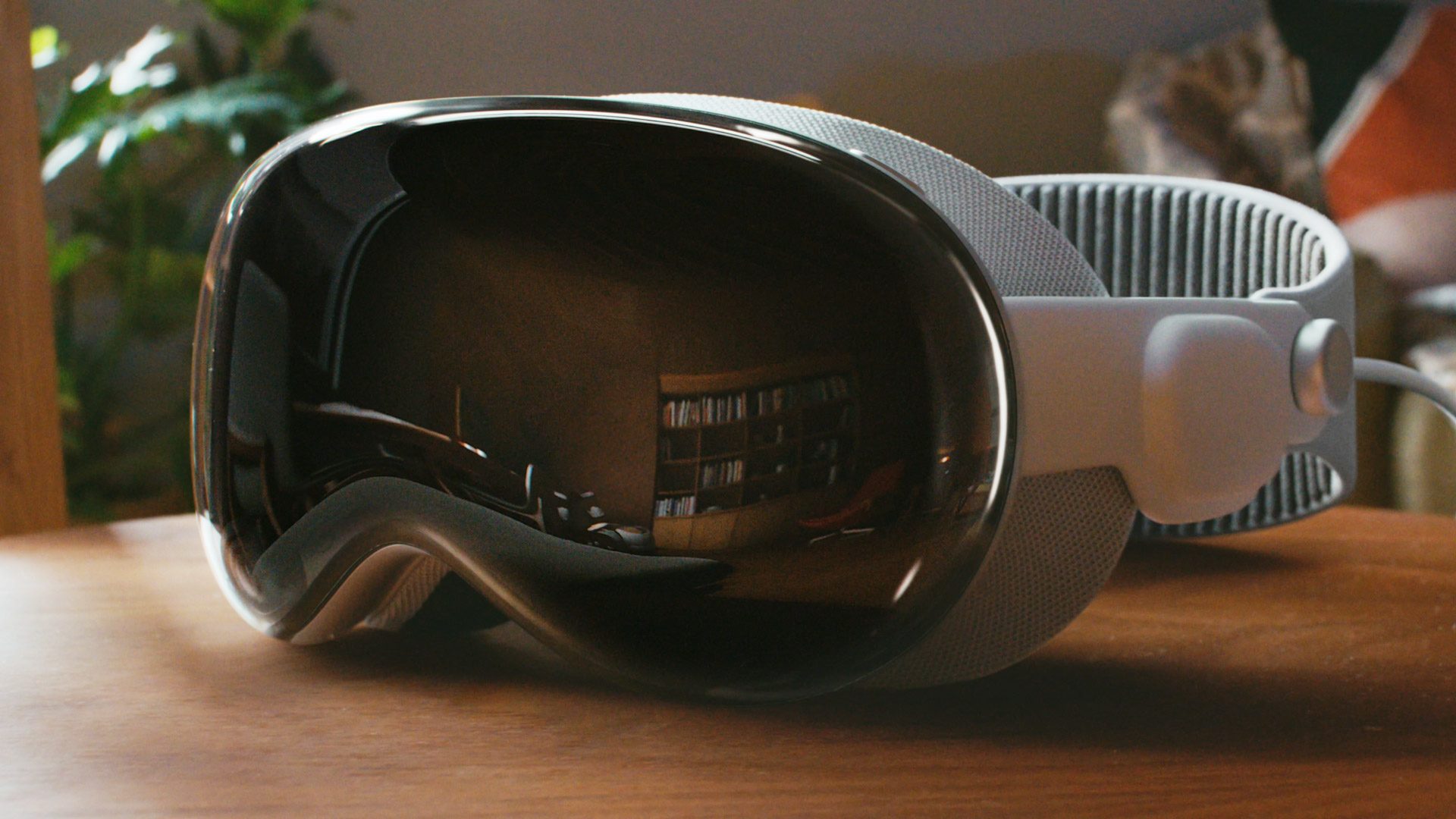
Apple has released new and updated tools for developers to begin building XR apps on Apple Vision Pro.
Apple Vision Pro isn’t due out until early 2024, but the company wants developers to get a jump-start on building apps for the new headset.
To that end the company announced today it has released the visionOS SDK, updated Xcode, Simulator, and Reality Composer Pro, which developers can get access to at the Vision OS developer website.
While some of the tools will be familiar to Apple developers, tools like Simulator and Reality Composer Pro are newly released for the headset.
Simulator is the Apple Vision Pro emulator, which aims to give developers a way to test their apps before having their hands on the headset. The tool effectively acts as a software version of Apple Vision Pro, allowing developers see how their apps will render and act on the headset.
Reality Composer Pro is aimed at making it easy for developers to build interactive scenes with 3D models, sounds, and textures. From what we understand, it’s sort of like an easier (albeit less capable) alternative to Unity. However, developers who already know or aren’t afraid to learn a full-blown game engine can also use Unity to build visionOS apps.
Image courtesy Apple
In addition to the release of the visionOS SDK today, Apple says it’s still on track to open a handful of ‘Developer Labs’ around the world where developers can get their hands on the headset and test their apps. The company also says developers will be able to apply to receive Apple Vision Pro development kits next month.
Meta says it’s has begun pushing out a software update which will bring some pretty profound performance boosts to both Quest 2 & Quest Pro.
Update (June 21st, 2023): Meta says Quest update v55 is now starting to roll out to Quest 2 & Quest Pro users. The company is promising the update will deliver a significant boost to the devices’ performance which should make the VR experience smoother overall while allowing apps to render at somewhat higher resolutions.
Update v55 also includes a standalone Messenger app and a revamped ‘Explore’ tab (which now shows Reels from Instagram and Facebook, if your accounts are connected). The update also adds multi-touch capability to the in-headset browser for hands-on zooming of web pages.
And last but not least, users will find two new home environments for their headset. The first is ‘Futurescape’, which was the backdrop of this year’s Quest Gaming Showcase; the second is ‘The Great Sand Sea’, which is exclusively available to users who have pre-ordered Asgard’s Wrath 2.
As ever, Meta advises that these updates roll out gradually to the population of headset users, so if you don’t see it right away you might need to wait a little longer.
The original article, which covered the update’s performance improvements, continues below.
Original Article (June 1st, 2023): Meta unveiled Quest 3 today, its next consumer-focused headset slated to launch in fall starting at $500. Quest 3 is going to be more powerful than Quest 2 by a good margin; the company says it has “more than twice the graphical performance as the previous generation Snapdragon GPU in Quest 2.”
Now the company says it’s tossing out a software update to both Quest 2 and Quest Pro chipsets that will provide up to 26% CPU performance increase for both. As for the headsets’ GPUS, we’re told to expect up to 19% GPU speed increase for Quest 2 and 11% for Quest Pro.
“As developers take advantage of these changes, you can expect smoother gameplay, a more responsive UI, and richer content on both headsets,” the company says in a blogpost. “And we’re enabling Dynamic Resolution Scaling for both Quest 2 and Quest Pro, so games and apps can take advantage of increased pixel density without dropping frames.”
The company hasn’t said just when to expect the update, but we’ll be keeping our eyes peeled on Meta blog and social channels in the coming days. In the meantime, check out all of our Quest 3 coverage so far which has come right ahead of the big Quest Gaming Showcase kicking off today:
Ioanna is a writer at TNW. She covers the full spectrum of the European tech ecosystem, with a particular interest in startups, sustainabili Ioanna is a writer at TNW. She covers the full spectrum of the European tech ecosystem, with a particular interest in startups, sustainability, green tech, AI, and EU policy. With a background in the humanities, she has a soft spot for social impact-enabling technologies.
From virtual assistants to voiceovers for audiobooks, AI voice generation has emerged as a rapidly growing field — and it’s no wonder that companies are rushing to tap into the technology’s potential.
Among them is Valencia-based Voicemod. The startup has developed an AI voice changer and soundboard software that enables instant speech-to-speech conversion. Unlike most of its competitors, the company claims that it transforms voices in real time and with low latency, enabling users to converse as they would in real life.
According to Jaime Bosch, Voicemod’s CEO and co-founder, the company trains its AI model using publicly available data sets and professional voice actors, which results in a broad pool of vocal expressions, pitches, tones, and emotions. Through machine learning techniques, the model learns to understand, analyse, and predict the a person’s speech patterns and intricacies.
“When a user speaks into our software or application, their voice input is processed in real time,” Bosch told TNW. “Our AI model then applies the learned patterns and transformations to the input, allowing for instant voice conversion.”
Voicemod mainly targets the entertainment industry, including gamers, streamers, content creators, and vtubers in platforms ranging from Discord and Twitch, to Zoom and WhatsApp.
To further address the increasing user demand for self-expression, pseudonymity, and creativity online, next to the 100 voice options in its portfolio, the startup is now launching the so-called “AI Humans” collection. Although Voicemod already offers human voice filters, the new collection is slated to be the company’s most human-realistic to date.
Credit: Voicemod
Trained on recordings from voice actors, AI Humans consists of 20 sonic avatars which range in personality, gender, and age. The personas include Joe, an 80-year-old male voice with a “raspy, sardonic tone” and Jennifer, a 25-year-old female voice, featuring an “energetic and friendly” character. Users can also customize the pitch of each persona, changing the perception of the voice’s gender and age.
The video below can give you an idea of how these characters sound: