web development

in-1995,-a-netscape-employee-wrote-a-hack-in-10-days-that-now-runs-the-internet

In 1995, a Netscape employee wrote a hack in 10 days that now runs the Internet

Thirty years ago today, Netscape Communications and Sun Microsystems issued a joint press release announcing JavaScript, an object scripting language designed for creating interactive web applications. The language emerged from a frantic 10-day sprint at pioneering browser company Netscape, where engineer Brendan Eich hacked together a working internal prototype during May 1995.

While the JavaScript language didn’t ship publicly until that September and didn’t reach a 1.0 release until March 1996, the descendants of Eich’s initial 10-day hack now run on approximately 98.9 percent of all websites with client-side code, making JavaScript the dominant programming language of the web. It’s wildly popular; beyond the browser, JavaScript powers server backends, mobile apps, desktop software, and even some embedded systems. According to several surveys, JavaScript consistently ranks among the most widely used programming languages in the world.

In crafting JavaScript, Netscape wanted a scripting language that could make webpages interactive, something lightweight that would appeal to web designers and non-professional programmers. Eich drew from several influences: The syntax looked like a trendy new programming language called Java to satisfy Netscape management, but its guts borrowed concepts from Scheme, a language Eich admired, and Self, which contributed JavaScript’s prototype-based object model.
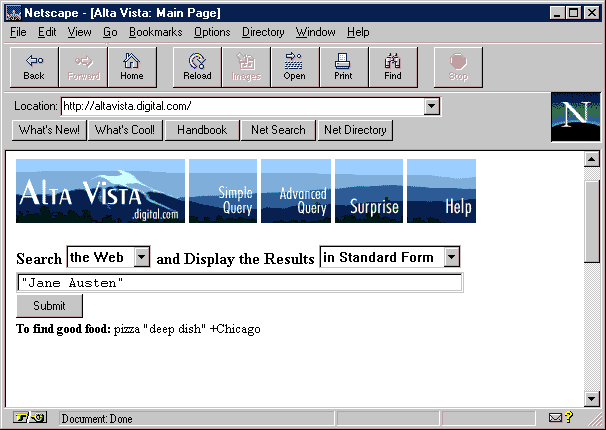
A screenshot of the Netscape Navigator 2.0 interface.

A screenshot of the Netscape Navigator 2.0 interface. Credit: Benj Edwards

The JavaScript partnership secured endorsements from 28 major tech companies, but amusingly, the December 1995 announcement now reads like a tech industry epitaph. The endorsing companies included Digital Equipment Corporation (absorbed by Compaq, then HP), Silicon Graphics (bankrupt), and Netscape itself (bought by AOL, dismantled). Sun Microsystems, co-creator of JavaScript and owner of Java, was acquired by Oracle in 2010. JavaScript outlived them all.

What’s in a name?

The 10-day creation story has become programming folklore, but even with that kernel of truth we mentioned, it tends to oversimplify the timeline. Eich’s sprint produced a working demo, not a finished language, and over the next year, Netscape continued tweaking the design. The rushed development left JavaScript with quirks and inconsistencies that developers still complain about today. So many changes were coming down the pipeline, in fact, that it began to annoy one of the industry’s most prominent figures at the time.

In 1995, a Netscape employee wrote a hack in 10 days that now runs the Internet Read More »
chatgpt-made-up-a-product-feature-out-of-thin-air,-so-this-company-created-it

ChatGPT made up a product feature out of thin air, so this company created it

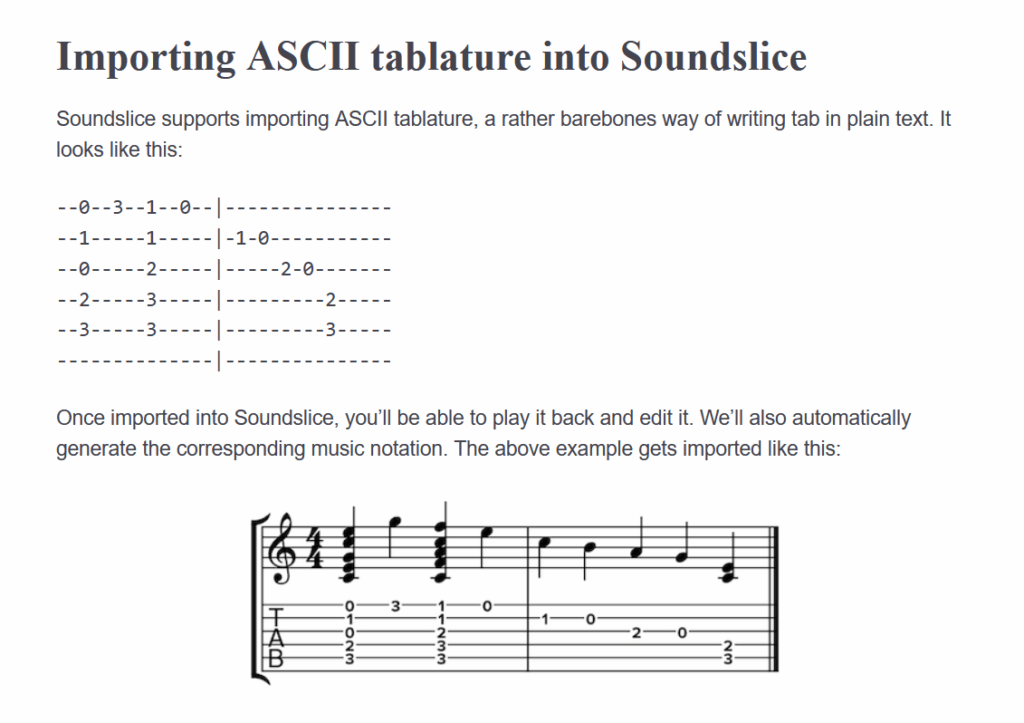
On Monday, sheet music platform Soundslice says it developed a new feature after discovering that ChatGPT was incorrectly telling users the service could import ASCII tablature—a text-based guitar notation format the company had never supported. The incident reportedly marks what might be the first case of a business building functionality in direct response to an AI model’s confabulation.

Typically, Soundslice digitizes sheet music from photos or PDFs and syncs the notation with audio or video recordings, allowing musicians to see the music scroll by as they hear it played. The platform also includes tools for slowing down playback and practicing difficult passages.

Adrian Holovaty, co-founder of Soundslice, wrote in a blog post that the recent feature development process began as a complete mystery. A few months ago, Holovaty began noticing unusual activity in the company’s error logs. Instead of typical sheet music uploads, users were submitting screenshots of ChatGPT conversations containing ASCII tablature—simple text representations of guitar music that look like strings with numbers indicating fret positions.

“Our scanning system wasn’t intended to support this style of notation,” wrote Holovaty in the blog post. “Why, then, were we being bombarded with so many ASCII tab ChatGPT screenshots? I was mystified for weeks—until I messed around with ChatGPT myself.”

When Holovaty tested ChatGPT, he discovered the source of the confusion: The AI model was instructing users to create Soundslice accounts and use the platform to import ASCII tabs for audio playback—a feature that didn’t exist. “We’ve never supported ASCII tab; ChatGPT was outright lying to people,” Holovaty wrote, “and making us look bad in the process, setting false expectations about our service.”

A screenshot of Soundslice's new ASCII tab importer documentation.

A screenshot of Soundslice’s new ASCII tab importer documentation, hallucinated by ChatGPT and made real later. Credit: https://www.soundslice.com/help/en/creating/importing/331/ascii-tab/

When AI models like ChatGPT generate false information with apparent confidence, AI researchers call it a “hallucination” or  “confabulation.” The problem of AI models confabulating false information has plagued AI models since ChatGPT’s public release in November 2022, when people began erroneously using the chatbot as a replacement for a search engine.

ChatGPT made up a product feature out of thin air, so this company created it Read More »