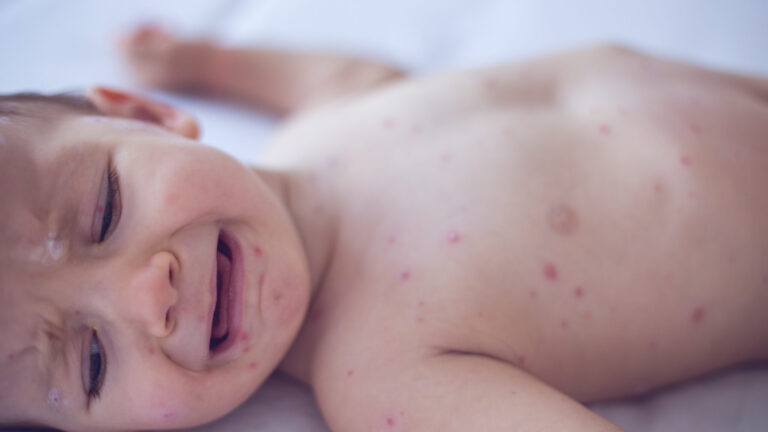
polio

doctors-face-palm-as-rfk-jr.’s-top-vaccine-advisor-questions-need-for-polio-shot

Doctors face-palm as RFK Jr.’s top vaccine advisor questions need for polio shot

He then pondered out loud what would happen if people stopped getting vaccinated. “If we take away all of the herd immunity, then does that switch, does that teeter-totter switch in a different direction?” he asked.

Backlash

In a statement, AMA Trustee Sandra Adamson Fryhofer blasted the question. “This is not a theoretical debate—it is a dangerous step backward,” she said. “Vaccines have saved millions of lives and virtually eliminated devastating diseases like polio in the United States. There is no cure for polio. When vaccination rates fall, paralysis, lifelong disability, and death return. The science on this is settled.”

Fryhofer also took aim at Milhoan’s repeated argument that the focus of vaccination policy should move from population-level health to individual autonomy. Moving away from routine immunizations, which include discussions between clinicians and patients, “does not increase freedom—it increases suffering,” she said, adding that the weakening of recommendations “will cost lives.”

Overall, Milhoan’s comments only further erode the relevance of ACIP and federal vaccine policy among the medical community and states. According to a KFF policy brief, 27 states and Washington, DC, have already announced they will not follow current CDC vaccine recommendations, which Kennedy dramatically overhauled earlier this month without even consulting the ACIP. Instead, the majority of states are relying on previous recommendations or recommendations made within states or by medical organizations.

On Monday, the American Academy of Pediatrics announced the 2026 update to its childhood and adolescent vaccine schedule, which it has held up as an alternative to the CDC’s schedule and has been widely embraced by pediatricians. In the announcement, AAP noted that 12 other medical organizations have endorsed the schedule, including the AMA, the American Academy of Family Physicians, the American College of Obstetricians and Gynecologists, the Infectious Diseases Society of America, and the Pediatric Infectious Diseases Society.

The AAP’s updated recommendations are largely the same as the schedule from last year, but it is significantly different from the CDC’s recommendations, which “depart from longstanding medical evidence and no longer offer the optimal way to prevent illnesses in children,” the AAP said.

“The AAP will continue to provide recommendations for immunizations that are rooted in science and are in the best interest of the health of infants, children and adolescents of this country,” AAP President Andrew Racine said in the announcement.

Doctors face-palm as RFK Jr.’s top vaccine advisor questions need for polio shot Read More »
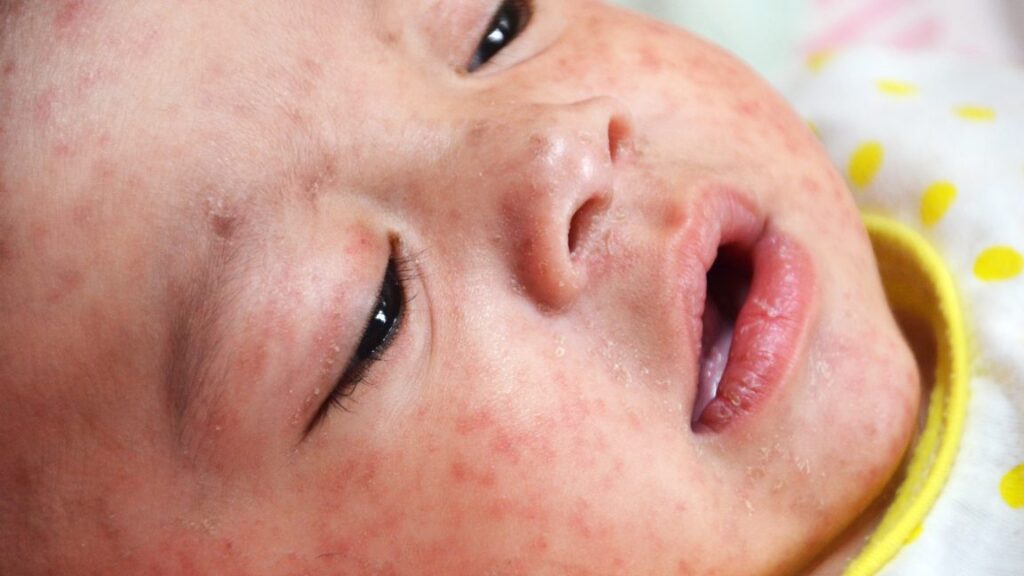
dead-babies,-critically-ill-kids:-pediatricians-make-moving-plea-for-vaccines

Dead babies, critically ill kids: Pediatricians make moving plea for vaccines

As federal lawmakers prepare to decide whether anti-vaccine advocate Robert F. Kennedy Jr. should be the next secretary of the Department of Health and Human Services, pediatricians from around the country are making emotional pleas to protect and support lifesaving immunizations.

The American Academy of Pediatrics (AAP) has assembled nearly 200 stories and dozens of testimonials on the horrors of vaccine-preventable deaths and illnesses that pediatricians have encountered over their careers. The testimonials have been shared with two Senate committees that will hold hearings later this week: the Senate Committee on Finance and the Senate Committee on Health, Education, Labor, and Pensions (HELP).

“I remember that baby’s face to this day”

In a statement on Monday, AAP President Susan Kressly noted that the stories come from a wide range of pediatricians—from rural to urban and from small practices to large institutions. Some have recalled stories of patients who became ill with devastating diseases before vaccines were available to prevent them, while others shared more recent experiences as vaccine misinformation spread and vaccination rates slipped.

In one, a pediatrician from Raleigh, North Carolina, spoke of a baby in the 1990s with Streptococcus pneumoniae meningitis, a life-threatening disease. “I remember holding a baby dying of complications of pneumococcal meningitis at that time. I remember that baby’s face to this day—but, thanks to pneumococcal vaccination, have never had to relive that experience since,” the doctor said. The first pneumococcal vaccine for infants was licensed in the US in 2000.

A doctor in Portland, Maine, meanwhile, faced the same disease in a patient who was unvaccinated despite the availability of the vaccine. “As a resident, I cared for a young, unvaccinated child admitted to the pediatric intensive care unit with life-threatening Streptococcus pneumoniae meningitis. This devastating illness, once common, has become rare thanks to the widespread use of pneumococcal conjugate vaccines. However, this child was left vulnerable…and [their parents] now faced the anguish of watching their child fight for their life on a ventilator.”

Kressly emphasizes that “One unifying theme of these stories: vaccines allow children to grow up healthy and thrive. As senators consider nominees for federal healthcare agencies, we hope these testimonies will help paint a picture of just how important vaccinations are to children’s long-term health and wellbeing.”

Dead babies, critically ill kids: Pediatricians make moving plea for vaccines Read More »

us-vaccinations-fall-again-as-more-parents-refuse-lifesaving-shots-for-kids

US vaccinations fall again as more parents refuse lifesaving shots for kids

Measles, whopping cough, polio, tetanus—devastating and sometimes deadly diseases await comebacks in the US as more and more parents are declining routine childhood vaccines that have proved safe and effective.

The vaccination rates among kindergartners have fallen once again, dipping into the range of 92 percent in the 2023–2024 school year, down from about 93 percent the previous school year and 95 percent in 2019–2020. That’s according to an analysis of the latest vaccination data published today by the Centers for Disease Control and Prevention.

The analysis also found that vaccination exemptions rose to an all-time high of 3.3 percent, up from 3 percent in the previous school year. The rise in exemptions is nearly entirely driven by non-medical exemptions—in other words, religious or philosophical exemptions. Only 0.2 percent of all vaccination exemptions are medically justified.

The new stats mean that more parents are choosing to decline lifesaving vaccines and, for the fourth consecutive year, the US has remained below the 95 percent vaccination target that would keep vaccine-preventable diseases from spreading within communities. In fact, the country continues to slip further away from that target.

Based on data from 49 states plus the District of Columbia (Montana did not report data), 80 percent of jurisdictions saw declines in vaccinations of all four key vaccines assessed: MMR, against measles, mumps, and rubella; DTaP, against diphtheria, tetanus, and pertussis (whooping cough); VAR, against chickenpox; and polio.

Vulnerable kids

Coverage for MMR fell to 92.7 percent in 2023–2024, down from 93.1 percent in the previous school year. That means that about 280,000 (7.3 percent) kindergartners in the US are at risk of measles, mumps, and rubella infections. Likewise, DTaP coverage fell to 92.3 percent, down from 92.7 percent. Polio vaccination fell to 92.6 percent from 93.1 percent, and VAR was down to 92.4 percent from 92.9 percent.

US vaccinations fall again as more parents refuse lifesaving shots for kids Read More »