

CoreWeave

chatgpt-maker-reportedly-eyes-$1-trillion-ipo-despite-major-quarterly-losses

ChatGPT maker reportedly eyes $1 trillion IPO despite major quarterly losses

An OpenAI spokesperson told Reuters that “an IPO is not our focus, so we could not possibly have set a date,” adding that the company is “building a durable business and advancing our mission so everyone benefits from AGI.”

Revenue grows as losses mount

The IPO preparations follow a restructuring of OpenAI completed on October 28 that reduced the company’s reliance on Microsoft, which has committed to investments of $13 billion and now owns about 27 percent of the company. OpenAI was most recently valued around $500 billion in private markets.

OpenAI started as a nonprofit in 2015, then added a for-profit arm a few years later with nonprofit oversight. Under the new structure, OpenAI is still controlled by a nonprofit, now called the OpenAI Foundation, but it gives the nonprofit a 26 percent stake in OpenAI Group and a warrant for additional shares if the company hits certain milestones.

A successful OpenAI IPO could represent a substantial gain for investors, including Microsoft, SoftBank, Thrive Capital, and Abu Dhabi’s MGX. But even so, OpenAI faces an uphill financial battle ahead. The ChatGPT maker expects to reach about $20 billion in revenue by year-end, according to people familiar with the company’s finances who spoke with Reuters, but its quarterly losses are significant.

Microsoft’s earnings filing on Wednesday offered a glimpse at the scale of those losses. The company reported that its share of OpenAI losses reduced Microsoft’s net income by $3.1 billion in the quarter that ended September 30. Since Microsoft owns 27 percent of OpenAI under the new structure, that suggests OpenAI lost about $11.5 billion during the quarter, as noted by The Register. That quarterly loss figure exceeds half of OpenAI’s expected revenue for the entire year.

ChatGPT maker reportedly eyes $1 trillion IPO despite major quarterly losses Read More »
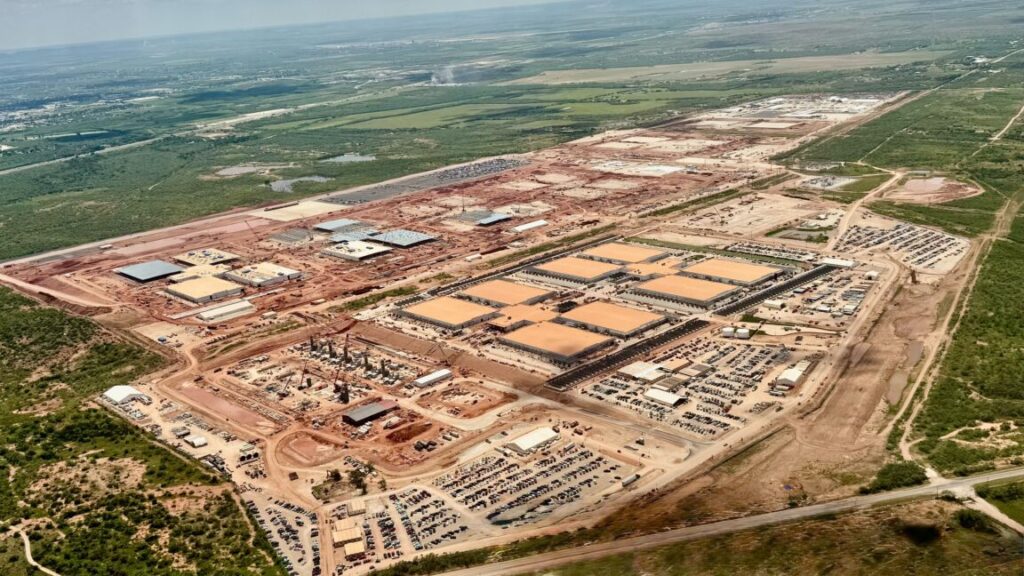
why-does-openai-need-six-giant-data-centers?

Why does OpenAI need six giant data centers?

Training next-generation AI models compounds the problem. On top of running existing AI models like those that power ChatGPT, OpenAI is constantly working on new technology in the background. It’s a process that requires thousands of specialized chips running continuously for months.

The circular investment question

The financial structure of these deals between OpenAI, Oracle, and Nvidia has drawn scrutiny from industry observers. Earlier this week, Nvidia announced it would invest up to $100 billion as OpenAI deploys Nvidia systems. As Bryn Talkington of Requisite Capital Management told CNBC: “Nvidia invests $100 billion in OpenAI, which then OpenAI turns back and gives it back to Nvidia.”

Oracle’s arrangement follows a similar pattern, with a reported $30 billion-per-year deal where Oracle builds facilities that OpenAI pays to use. This circular flow, which involves infrastructure providers investing in AI companies that become their biggest customers, has raised eyebrows about whether these represent genuine economic investments or elaborate accounting maneuvers.

The arrangements are becoming even more convoluted. The Information reported this week that Nvidia is discussing leasing its chips to OpenAI rather than selling them outright. Under this structure, Nvidia would create a separate entity to purchase its own GPUs, then lease them to OpenAI, which adds yet another layer of circular financial engineering to this complicated relationship.

“NVIDIA seeds companies and gives them the guaranteed contracts necessary to raise debt to buy GPUs from NVIDIA, even though these companies are horribly unprofitable and will eventually die from a lack of any real demand,” wrote tech critic Ed Zitron on Bluesky last week about the unusual flow of AI infrastructure investments. Zitron was referring to companies like CoreWeave and Lambda Labs, which have raised billions in debt to buy Nvidia GPUs based partly on contracts from Nvidia itself. It’s a pattern that mirrors OpenAI’s arrangements with Oracle and Nvidia.

So what happens if the bubble pops? Even Altman himself warned last month that “someone will lose a phenomenal amount of money” in what he called an AI bubble. If AI demand fails to meet these astronomical projections, the massive data centers built on physical soil won’t simply vanish. When the dot-com bubble burst in 2001, fiber optic cable laid during the boom years eventually found use as Internet demand caught up. Similarly, these facilities could potentially pivot to cloud services, scientific computing, or other workloads, but at what might be massive losses for investors who paid AI-boom prices.

Why does OpenAI need six giant data centers? Read More »