computer collecting

reddit-user-surprised-when-1960s-computer-panel-emerged-from-collapsed-family-garage

Reddit user surprised when 1960s computer panel emerged from collapsed family garage

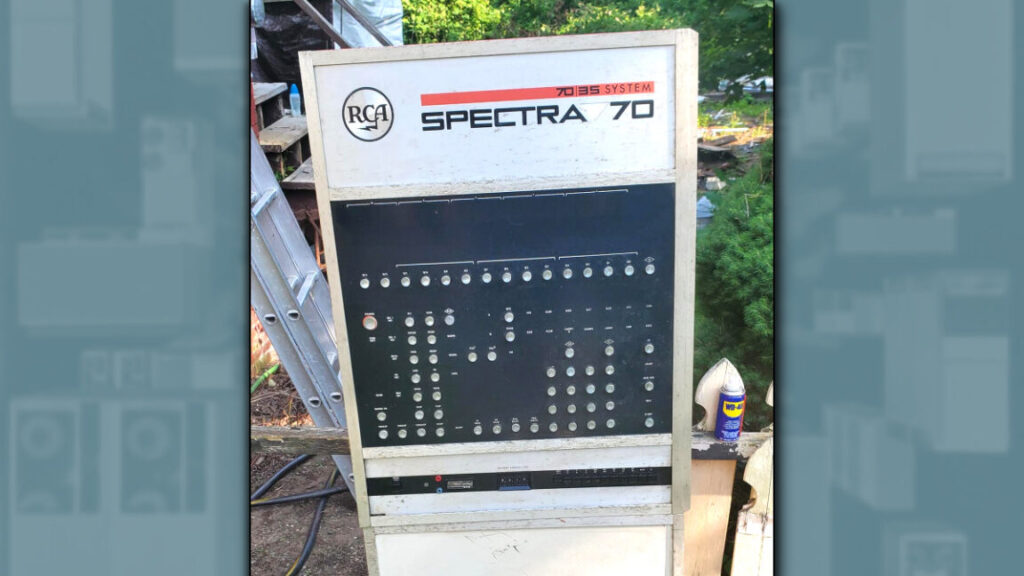
The Spectra 70 family included five models: the 70/15, 70/25, 70/35, 70/45, and 70/55, with progressively more capable memory speeds and capacities. Operators could configure the system with up to 32,768 bytes of memory (32K), achieved by combining two 16,384-byte core memory modules—a respectable amount for the mid-1960s, though minuscule by today’s standards. By comparison, a decade later, the Apple II personal computer could utilize up to a maximum of 48K of memory.
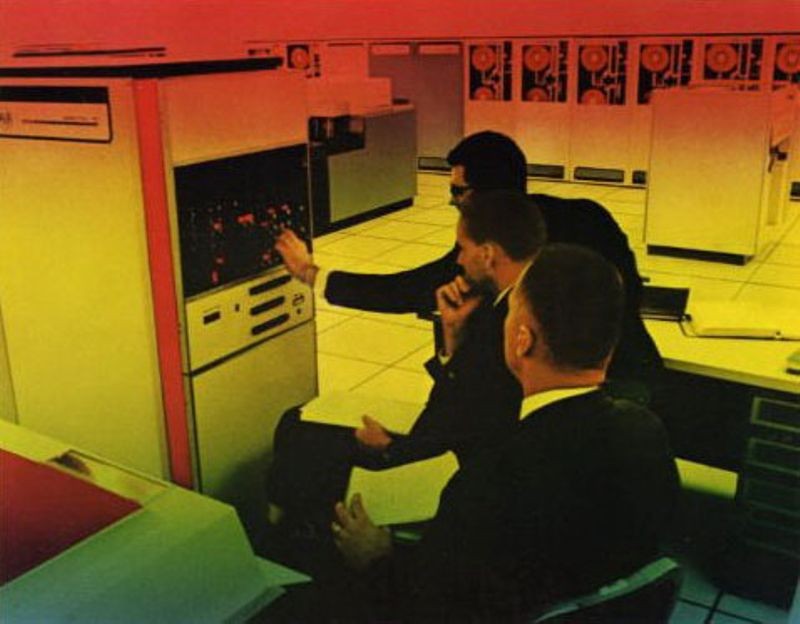
A view of operators using an RCA Spectra 70 control panel similar to the one found in the garage, circa 1965.

A view of operators using an RCA Spectra 70/45 control panel similar to the one found in the garage, circa 1965. Credit: RCA

SonOfADeadMeme believes the 70/35 panel ended up in his family’s garage as a keepsake from the computer’s decommissioning. “I think the system may had been dismantled at IBM and the guy kept the terminal as a souvenir unfortunately, searched high and low while it was still standing but only other computers there was a Apple IIE and a Compaq that I think got tossed (kept the Apple II but cant find the Compaq). I did make sure to pretty much clean the whole place out before the collapse though,” they explained.

RCA discontinued the Spectra series in 1971 when the company exited the mainframe computer business, making surviving examples increasingly scarce. The company sold its computer division to Univac, which briefly continued supporting existing Spectra installations before phasing them out entirely.

As for the control panel’s future, the original poster has creative plans for this piece of computing history. “Unfortunately I don’t think I’m ever finding the other 1,500lbs of mainframe needed to use the luxurious 34 kilobytes of memory so I may (without altering a single Goddamn thing) string some LEDs behind the front panel and set them to blink at random.”

Reddit user surprised when 1960s computer panel emerged from collapsed family garage Read More »
endangered-classic-mac-plastic-color-returns-as-3d-printer-filament

Endangered classic Mac plastic color returns as 3D-printer filament

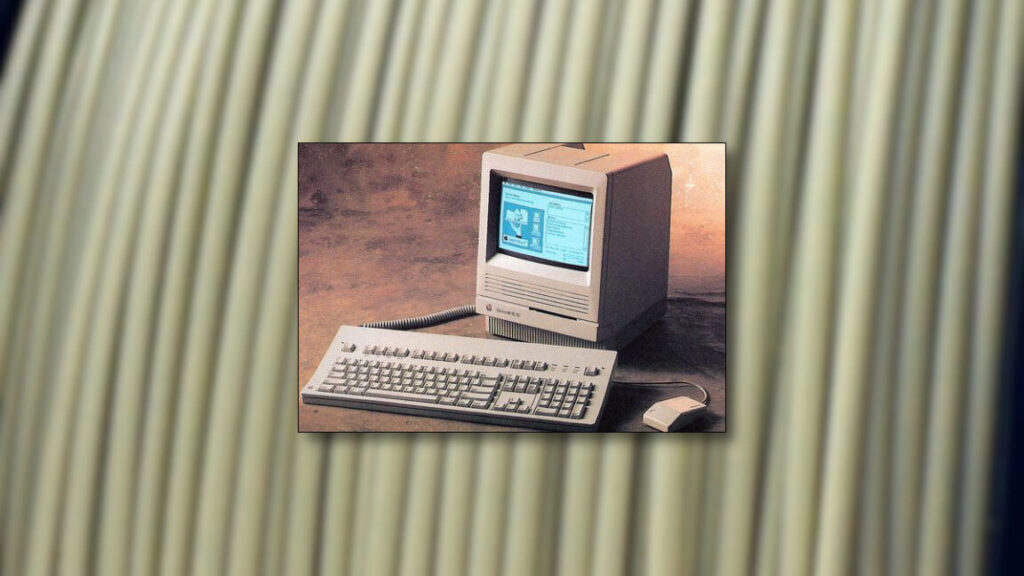
On Tuesday, classic computer collector Joe Strosnider announced the availability of a new 3D-printer filament that replicates the iconic “Platinum” color scheme used in classic Macintosh computers from the late 1980s through the 1990s. The PLA filament (PLA is short for polylactic acid) allows hobbyists to 3D-print nostalgic novelties, replacement parts, and accessories that match the original color of vintage Apple computers.

Hobbyists commonly feed this type of filament into commercial desktop 3D printers, which heat the plastic and extrude it in a computer-controlled way to fabricate new plastic parts.

The Platinum color, which Apple used in its desktop and portable computer lines starting with the Apple IIgs in 1986, has become synonymous with a distinctive era of classic Macintosh aesthetic. Over time, original Macintosh plastics have become brittle and discolored with age, so matching the “original” color can be a somewhat challenging and subjective experience.

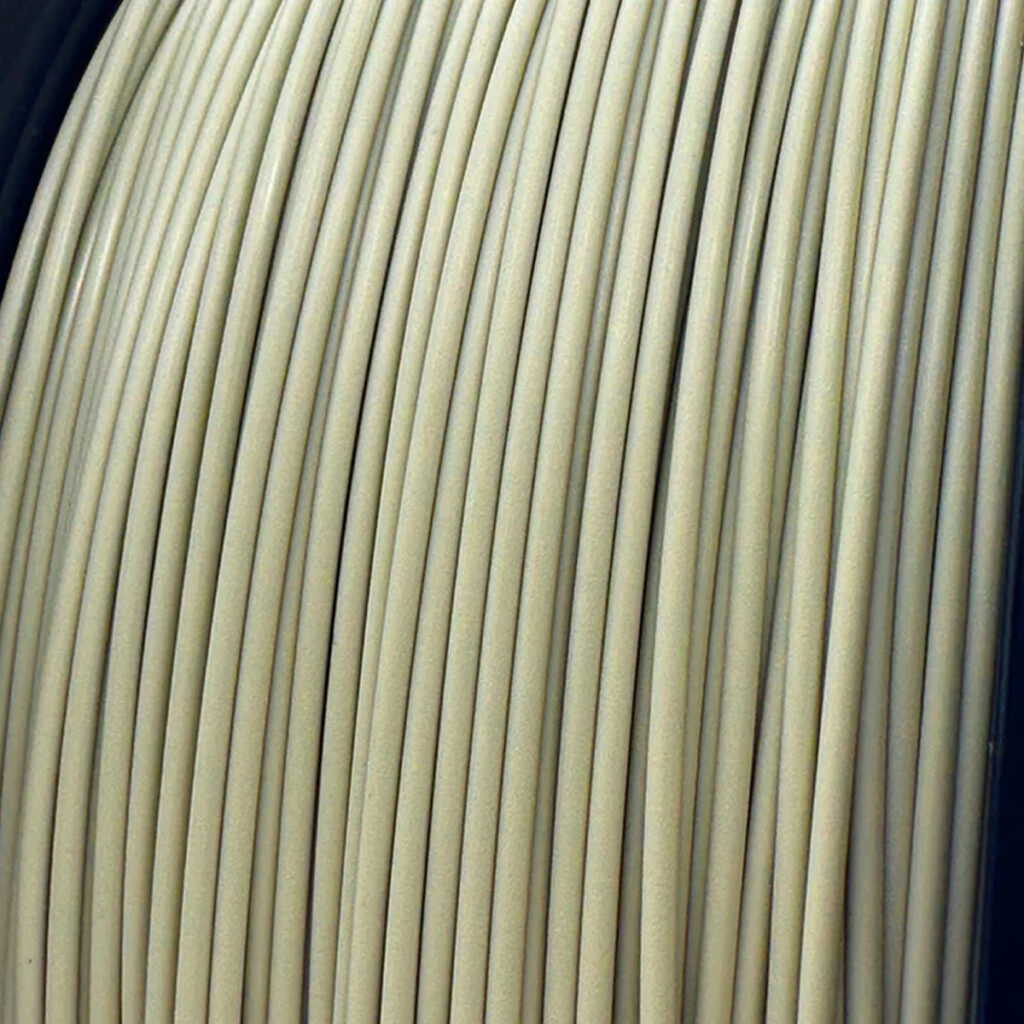
A close-up of

A close-up of “Retro Platinum” PLA filament by Polar Filament. Credit: Polar Filament

Strosnider, who runs a website about his extensive vintage computer collection in Ohio, worked for years to color-match the distinctive beige-gray hue of the Macintosh Platinum scheme, resulting in a spool of hobby-ready plastic by Polar Filament and priced at $21.99 per kilogram.

According to a forum post, Strosnider paid approximately $900 to develop the color and purchase an initial 25-kilogram supply of the filament. Rather than keeping the formulation proprietary, he arranged for Polar Filament to make the color publicly available.

“I paid them a fee to color match the speaker box from inside my Mac Color Classic,” Strosnider wrote in a Tinkerdifferent forum post on Tuesday. “In exchange, I asked them to release the color to the public so anyone can use it.”

Endangered classic Mac plastic color returns as 3D-printer filament Read More »