Author name: Mike M.

bedazzled-by-big-tech,-the-uk’s-ai-summit-is-overlooking-big-issues

Bedazzled by big tech, the UK’s AI summit is overlooking big issues

World leaders and tech titans are currently descending on southern England for an AI safety summit, but the flashy event isn’t impressing everyone.

Over the next two days, around 100 bigwigs will attend the event at the historic Bletchley Park, a country estate around 90km north of London. During World War Two, the site was home to the codebreakers who cracked Nazi Germany’s notorious Enigma encryption device. Some 80 years later, the British government wants to show that the UK is still a tech superpower — but the plans have caused alarm.

Critics have various concerns. They worry that the summit organisers are spellbound by “frontier AI,” famous names, and far-flung fears, while overlooking more pressing and inclusive issues.

A show-stealing late addition to the schedule elevated their suspicions. On Monday, Prime Minister Rishi Sunak revealed that he will be “in conversation” with Elon Musk on X.

Musk adds further lustre to a star-studded guest list.

Among the invitees are several political heavyweights, including US Vice President Kamala Harris, European Commission President Ursula von der Leyen, UN Secretary-General Antonio Guterres, and Chinese Vice Minister Wu Zhaohui.

Also in attendance are various tech titans, such as Microsoft President Brad Smith, OpenAI CEO Sam Altman, and Meta AI chief Yann LeCun. But the event is not for everyone.

“My fear is that the summit will focus on headline-grabbing existential threats.

Much of the tech sector feels that only industry giants and political leaders will be seated at Sunak’s conference table.

Dr Hector Zenil, the founder of healthcare startup Oxford Immune Algorithmics, is worried that the event will be dominated by generative AI and big tech. He has called on Sunak to involve a greater balance of commercial and academic representation.

“If the AI Safety Summit is to be judged a success — or at least on the right path to creating consensus on AI safety, regulation, and ethics — then the UK government must strive to create an even playing field for all parties to discuss the future use cases for the technology,” Zenil said.

“The Summit cannot be dominated by those corporations with a specific agenda and narrative around their commercial interests, otherwise this week’s activities will be seen as an expensive and misleading marketing exercise.”

In conversation with @elonmusk

After the AI Safety Summit

Thursday night on @x pic.twitter.com/kFUyNdGD7i

— Rishi Sunak (@RishiSunak) October 30, 2023

Zenil’s views are common across the sector. Among the industry insiders who share his unease is Victor Botev, the CTO and co-founder of Iris.ai, an Oslo-based startup.

A former AI researcher at Chalmers University and now a business leader, Botev wants broader representation from both academia and industry at the meeting.

“It is vital for any consultation on AI regulation to include perspectives beyond just the tech giants,” he said. “Smaller AI firms and open-source developers often pioneer new innovations, yet their voices on regulation go unheard. The summit missed a great opportunity by only including 100 guests, who are primarily made up of world leaders and big tech companies.”

Venture capitalists have raised similar concerns. 

“Going forward, we also must have more voices for startups themselves. The AI safety summit’s focus on big tech, and shutting out of many in the AI startup community, is disappointing,” said Ekaterina Almasque, General Partner at European VC OpenOcean

“It is vital that industry voices are included when shaping regulations that will directly impact technological development.”

Frontier AI apocalypses

The glitzy guestlist has been accompanied by a fittingly dramatic agenda. This combination, critics say, is a distraction from more pressing concerns.

They note that the programme will exclusively focus on “frontier” AI systems — a hazy term for advanced, general-purpose AI models. In a recent government report, the term “frontier AI” was applied almost entirely to large language models (LLMs) — particularly OpenAI’s ChatGPT.

Zenil suspects the focus has been influenced by CEOs who are invested in this field. He wants the government to take a broader view.

“It is absolutely critical that the UK has a coherent strategy for AI that encompasses all aspects of the technology and different models. Above all, this is important because no one approach will become the ‘silver bullet’ for AI adoption,” he said.

“If the AI Summit at Bletchley Park and the AI advisory committee are dominated by individuals with a particular research or commercial focus for AI, then it will make it harder to develop regulatory frameworks which reflect all the potential use cases.”
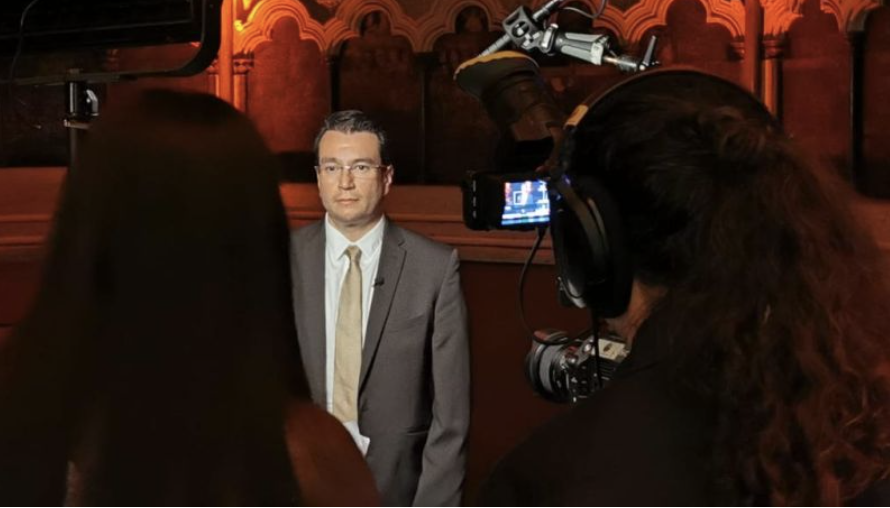
Dr Hector Zenil, Oxford Immune Algorithmics founder
Zenil has also worked as a senior researcher for the government-funded Alan Turing Institute. Credit: Oxford Immune Algorithmics

Another cause of consternation is the summit’s focus on “extreme” hypothetical threats and doomsday scenarios. Sunak has personally highlighted these cataclysmic possibilities.

“In the most unlikely but extreme cases, there is even the risk that humanity could lose control of AI completely through the kind of AI sometimes referred to as super intelligence,” he said last week.

Such apocalyptic prospects, critics argue, are dramatically overblown.  Some blame the media for inflating the dangers, while others argue that tech bosses exaggerate the risks to conceal the real and present problems that they’re creating.

They are more concerned about the tangible threats of climate change, biases against marginalised groups, and cyber-attacks. They note, for instance, that a recent study found that Google’s AI could soon consume as much electricity as Ireland.

Almasque, from VC firm OpenOcean, fears the summit’s priorities are skewed.

“It looks likely to focus mostly on bigger, long-term risks from AI, and far less on what needs to be done, today, to build a thriving AI ecosystem,” she said. “It’s like a startup worrying about its IPO price before it’s raised seed funding.”

These concerns are shared by Natalie Cramp, CEO of data company Profusion, which has previously advised the UK government. She is wary of the fixation on an imaginary future.

“My fear is that the AI safety summit will focus on headline-grabbing existential threats at the expense of the more mundane problems that have the capacity to do a lot of damage right now,” Cramp said.
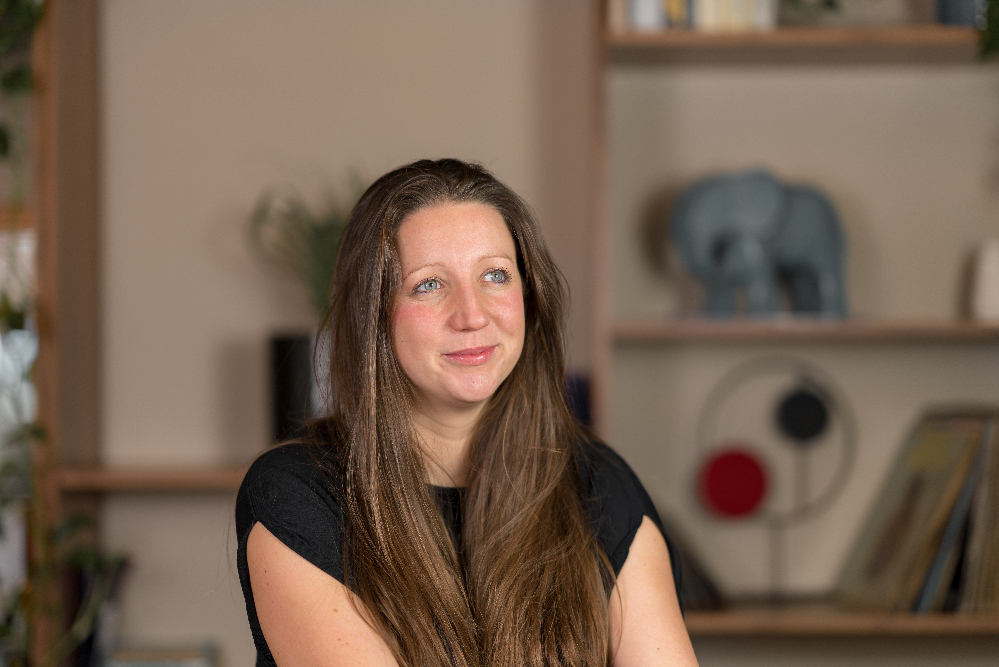
Headshot of Natalie Cramp, CEO at data company Profusion,
Natalie Cramp, CEO at data company Profusion.

The build-up to the summit has amplified the dissent. Ahead of the event, Sunak revealed a core component of his plan will be a new “world-first” AI safety institute. 

Dr Asress Gikay, a senior lecturer in AI at Brunel University London, was unimpressed by the announcement. Gikay is dismissive of the institute’s aim to prompt international agreements. She suspects that Sunak has ulterior motivations.

 “The Prime Minister seems more focused on making political statements by unrealistic and unachievable agendas rather than addressing more pressing and attainable issues, such as domestic AI investment and the development of a robust policy and regulatory framework for responsible AI at the national level,” she said. 

Taking chances

Amid the scepticism, there is also optimism about the AI summit’s potential. The big-name attendees and international media attention suggest the UK can be a key player in global developments. 

The country’s thriving AI sector adds credibility to the event, while its pro-innovation approach to regulation provides a point of differentiation from European Union governance. Britain’s unique international position could also provide a bridge between the US, EU, and China. 

Emad Mostaque, CEO of Stability AI —which develops the Stable Diffusion text-to-image model — is among the high-profile supporters of the summit.

“The UK has a once-in-a-generation opportunity to become an AI superpower and ensure that AI benefits all, not just big tech,” he said.

Botev, the co-founder of Iris.ai, is more cautiously hopeful. He is upbeat about the summit’s potential, but worried that the government may make a rash decision for a front-page news story.

“With the global AI community watching, the UK should resist this urge,” he said. “The summit is a chance for the UK to chart a global direction on AI governance, ensuring progress without compromising safety. With care and wisdom, the UK can develop forward-thinking regulations that promote innovation while establishing trust.”

Bedazzled by big tech, the UK’s AI summit is overlooking big issues Read More »

multiverse-computing-deploys-quantum-technology-to-predict-floods

Multiverse Computing deploys quantum technology to predict floods

Climate change is here. Along with it, catastrophic floods are becoming alarmingly more and more common. Adapting to a new climate reality is no easy task, but technological advancements offer a ray of hope.

Among the industry players tackling this challenge is quantum software company Multiverse Computing. The Spanish startup has won £100,056 in funding from Innovate UK to improve flood risk assessment using quantum technology.

To achieve this goal, Multiverse Computing will collaborate with UK-based Oxford Quantum Circuits (OQC) and US-based Moody’s Analytics. Together, the trio will use quantum computing to address the computational challenges in existing large-scale flood modelling, and develop new prediction models that assess risks more accurately and efficiently.

Current methods have been limited by the increased computational cost of running sophisticated simulations over large areas in high-resolution. But according to Sergio Gago, Moody’s Managing Director of Quantum and GenAI, the emergence of new technologies, such as quantum computing, presents significant opportunities for advancement.

“Specifically, there is promising potential in the application of quantum machine learning (QML) to develop emulators as alternatives to traditional physics-based models,” Gago said. Similarly, Enrique Lizaso Olmos, founder and CEO of Multiverse Computing, believes that the improved accuracy and effectiveness of a quantum approach could contribute to climate change adaptation efforts.

The Spanish startup is the lead contractor of the project and will be behind the software and quantum algorithm development. OQC will provide the necessary quantum hardware, while Moody’s will contribute industry, data, and computational efficiency insights.

The project has won a place in Phase 1 of the Quantum Catalyst Fund competition, backed by Innovate UK. If successful, it will move to Phase 2 next year, and the budget will amount to £1.2mn.

The UK Department of Environment, Food, and Rural Affairs will be the first customer to try the solution, seeking to better adapt to extreme weather events resulting from climate change. According to Moody’s estimates the UK is facing over £700mn in losses due to inland flooding per year.

Sadly, examples of the phenomenon’s devastating impact are far too many. In 2021, floods in Germany and Belgium claimed the lives of 209 people and cost over €30bn in damages. This year, torrential rain paralysed central Greece. Leveraging advanced technologies, such as AI and quantum computing, to mitigate and even prevent the consequences is now more crucial than ever.

Multiverse Computing deploys quantum technology to predict floods Read More »

cultivated-meat-is-a-‘promising’-space-food-for-astronauts,-esa-says

Cultivated meat is a ‘promising’ space food for astronauts, ESA says

Development of cultivated meat, i.e. actual animal meat that’s grown in bioreactors from stem cells, has been gaining traction in recent years. That’s because it can provide a more sustainable and ethical alternative that doesn’t only mitigate animal slaughter, but also uses far less natural resources than traditional livestock farming. Notably, it also shows potential to sustain life in space.

Over the past year, the European Space Agency (ESA) has been exploring whether cultivated meat can be a viable food option in space, used as a protein source that can be produced in situ.

“The focus is to provide astronauts with nutritious food during long-term missions far from Earth, overcoming the typical two-year shelf-life of traditional packaged supplies,” explained ESA engineer Paolo Corradi. “Given the limited resources in space, growing fresh food in situ would be necessary to increase the resilience and self-sufficiency of a mission, and could also provide psychological support to the crew.”

To test the meat production alternative, ESA funded two independent research projects — one run by Germany’s space biotech startup Yuri and Reutlingen University; and the other conducted by a trio of UK companies, Kayser Space, Cellular Agriculture, and Campden BRI.

The two teams compared the nutritional value of cultivated meat to current protein sources studied in space, including plants and algae. They suggested different meat production methods and bioreactor technologies.

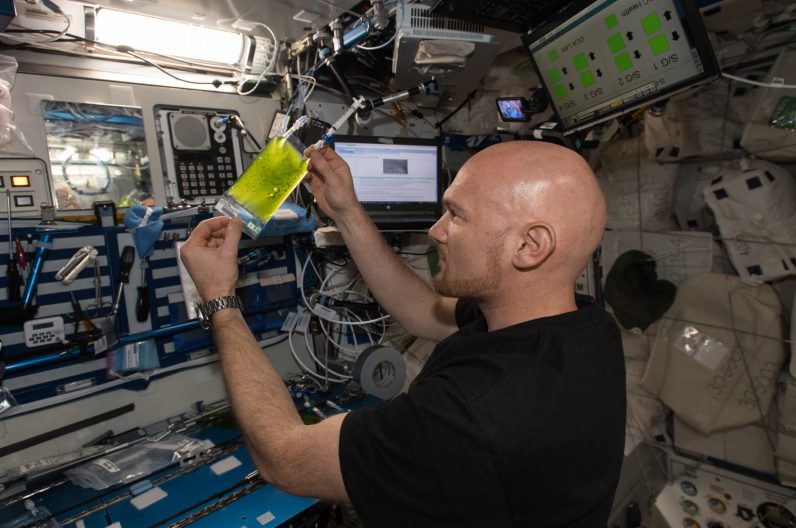
ESA astronaut Alexander Gerst works on space algae
ESA astronaut Alexander Gerst works on the Space Algae experiment on the International Space Station (ISS). Credit: ESA/NASA

Their results, published on Monday, show that the technology is promising, even though it still requires significant research and work before space cultivated meat can reach astronauts’ palates.

To support this, ESA has proposed a roadmap outlining necessary technologies and knowledge gaps, such as understanding how cells adapt to altered gravity and radiation. It will also begin experiments at its facilities.

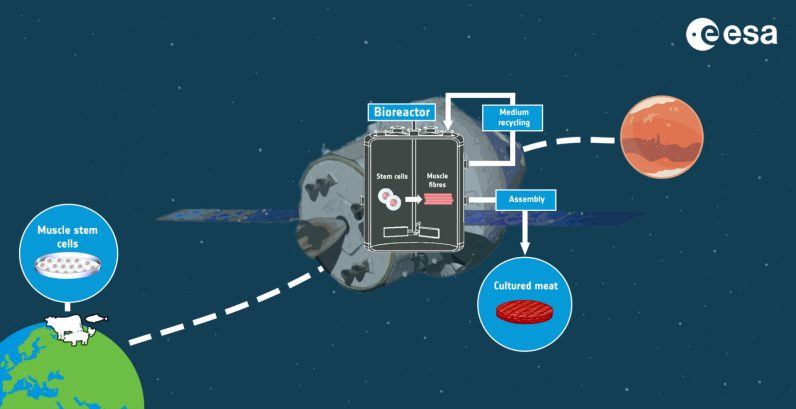
cultivated mission for space mission graphic representation
How cultivated meat production in space would work. Credit: ESA

The space agency hopes that further development of cultivated meat will speed up its adoption on Earth as well. “The feeling is that we are at the beginning of a process that could transform the industry, making the conventional meat production model obsolete,” said Corradi.

“Developed countries have the historical opportunity to move away from farming and killing animals, being a very inefficient process to produce food, unsustainable for the planet, dangerous for our health, and raising more and more ethical concerns among the population,” he added.

To put this into perspective, research firm CE Delft estimates that cultivated meat could cause 92% less global warming and 93% less air pollution — while using 95% less land and 78% less water.

Europe already houses a significant number of startups working on the tech, including Meatable, 3D Bio-Tissues, and Uncommon. The Netherlands is the first (and only for now) country in the region to have approved lab-grown meat tastings, following the example of Singapore and the US.

Cultivated meat is a ‘promising’ space food for astronauts, ESA says Read More »

nba-is-broadcasting-a-ton-of-games-this-season-in-vr-on-quest

NBA is Broadcasting a Ton of Games This Season in VR on Quest

The NBA announced it’s expanding the number of games it’s recording for Quest headsets by a wide margin, bringing a ton of 180-degree immersive games to NBA League Pass holders.

Games will be available in both through the Xtadium app on Quest and Meta Horizon Worlds—both of which require the NBA League Pass subscription viewing service to access. Games on Xtadium have already begun, while games on Horizon Worlds kick off November 17th.

NoteXtadium and NBA League Pass VR games are only available in the US.

Each app has it own perks. Xtadium lets you do a ‘Watch Party’, where you can invite friends to join you in your own private party room and catch the game together in VR as avatars. It also lets you watch games on-demand, watch up to eight games in 2D simultaneously, and watch games in mixed reality mode.

The NBA Arena in Horizon Worlds is set to include interactive games like the Slam Dunk Jam and Basket Blitz. There’s also set to be plenty of opportunities to mess around in a stadium environment, unlock stickers, emotes, exclusive avatar wearables, and access to the VIP Lounge by attending immersive games or playing mini-games in NBA Arena. You’ll even be able to buy your avatar NBA or WNBA team apparel, which you can wear in VR as well as on Facebook, Messenger, and Instagram.

As always, the standard set of NBA League Pass geo-restrictions apply, which means some games may not be available in all regions, and viewers located near the physical event may be unable to view it based on localized restrictions.

Here’s the full schedule:

  • October 25 // Atlanta Hawks vs. Charlotte Hornets // 4: 00 pm PT
  • October 28 // Memphis Grizzlies vs. Washington Wizards // 4: 00 pm PT
  • October 30 // Miami Heat vs. Milwaukee Bucks // 5: 00 pm PT
  • November 3 // Golden State Warriors vs. Oklahoma City Thunder // 5: 00 pm PT
  • November 6 // San Antonio Spurs vs. Indiana Pacers // 4: 00 pm PT
  • November 10 // Minnesota Timberwolves vs. San Antonio Spurs // 5: 00 pm PT
  • November 14 // Dallas Mavericks vs. New Orleans Pelicans // 5: 00 pm PT
  • November 17 // Philadelphia 76ers vs. Atlanta Hawks // 4: 30 pm PT
  • November 18 // New York Knicks vs. Charlotte Hornets // 3: 00 pm PT
  • November 21 // Toronto Raptors vs. Orlando Magic // 4: 00 pm PT
  • November 24 // Detroit Pistons vs. Indiana Pacers // 5: 00 pm PT
  • November 25 // Los Angeles Lakers vs. Cleveland Cavaliers // 4: 30 pm PT
  • November 28 // Chicago Bulls vs. Boston Celtics // 4: 30 pm PT
  • December 2 // Indiana Pacers vs. Miami Heat // 5: 00 pm PT
  • December 11 // Denver Nuggets vs. Atlanta Hawks // 4: 30 pm PT
  • December 14 // Chicago Bulls vs. Miami Heat // 4: 30 pm PT
  • December 16 // Philadelphia 76ers vs. Charlotte Hornets // 4: 00 pm PT
  • December 18 // LA Clippers vs. Indiana Pacers // 4: 00 pm PT
  • December 20 // Los Angeles Lakers vs. Chicago Bulls // 5: 00 pm PT
  • December 21 // San Antonio Spurs vs. Chicago Bulls // 5: 00 pm PT
  • December 23 // San Antonio Spurs vs. Dallas Mavericks // 5: 30 pm PT
  • December 27 // New York Knicks vs. Oklahoma City Thunder // 5: 00 pm PT
  • December 30 // Los Angeles Lakers vs. Minnesota Timberwolves // 5: 00 pm PT
  • January 2 // Boston Celtics vs. Oklahoma City Thunder vs. 5: 00 pm PT
  • January 6 // Utah Jazz vs. Philadelphia 76ers // 4: 30 pm PT
  • January 8 // Boston Celtics vs. Indiana Pacers // 4: 00 pm PT
  • January 9 // Portland Trail Blazers vs. New York Knicks // 4: 30 pm PT
  • January 13 // New York Knicks vs. Memphis Grizzlies // 5: 00 pm PT
  • January 15 // Indiana Pacers vs. Utah Jazz // 6: 00 pm PT
  • January 20 // San Antonio Spurs vs. Washington Wizards // 4: 00 pm PT
  • January 21 // Denver Nuggets vs. Washington Wizards // 3: 00 pm PT
  • January 26 // Cleveland Cavaliers vs. Milwaukee Bucks // 5: 00 pm PT
  • January 28 // Oklahoma City Thunder vs. Detroit Pistons // 3: 00 pm PT
  • January 29 // New Orleans Pelicans vs. Boston Celtics // 4: 30 pm PT
  • February 2 // Miami Heat vs. Washington Wizards // 4: 00 pm PT
  • February 3 // Brooklyn Nets vs. Philadelphia 76ers // 3: 00 pm PT
  • February 5 // Dallas Mavericks vs. Philadelphia 76ers // 4: 00 pm PT
  • February 9 // Charlotte Hornets vs. Milwaukee Bucks // 5: 00 pm PT
  • February 12 // Denver Nuggets vs. Milwaukee Bucks // 5: 00 pm PT
  • February 26 // Brooklyn Nets vs. Memphis Grizzlies // 5: 00 pm PT
  • March 1 // Indiana Pacers vs. New Orleans Pelicans // 5: 00 pm PT
  • March 4 // Portland Trail Blazers vs. Minnesota Timberwolves // 5: 00 pm PT
  • March 11 // Phoenix Suns vs. Cleveland Cavaliers // 4: 30 pm PT
  • March 15 // Denver Nuggets vs. San Antonio Spurs // 5: 30 pm PT
  • March 16 // Cleveland Cavaliers vs. Houston Rockets // 2: 00 pm PT
  • March 21 // Utah Jazz vs. Dallas Mavericks // 5: 30 pm PT
  • March 24 // Golden State Warriors vs. Minnesota Timberwolves // 4: 00 pm PT
  • March 29 // Phoenix Suns vs. Oklahoma City Thunder // 5: 00 pm PT
  • March 31 // Los Angeles Lakers vs. Brooklyn Nets // 3: 00 pm PT
  • April 5 // New York Knicks vs. Chicago Bulls // 5: 00 pm PT
  • April 7 // Sacramento Kings vs. Brooklyn Nets // 4: 30 pm PT
  • April 12 // Orlando Magic vs. Philadelphia 76ers // 4: 00 pm PT

NBA is Broadcasting a Ton of Games This Season in VR on Quest Read More »

‘arizona-sunshine-2’-coming-to-all-major-vr-headsets-in-december,-first-gameplay-trailer-here

‘Arizona Sunshine 2’ Coming to All Major VR Headsets in December, First Gameplay Trailer Here

Vertigo Games finally revealed the release date for its upcoming sequel to Arizona Sunshine (2016), which is set to bring us back to the dusty post-apocalyptic desert for another tango with the undead hordes. Also: the first gameplay trailer.

Arizona Sunshine 2 is slated to launch on all major VR headsets on December 7th, which the studio has confirmed will include a co-op mode as well as single player campaign at launch.

We’ve also got our first look at actual gameplay, which admittedly doesn’t look terribly far off from the previous CG trailer released back in May. There seems to be plenty of opportunities to blow up, dismember, and roast the hell out of the shambolic enemies—all in the search of ‘Patient Zero’, which is supposedly the game’s main objective.

Coming to Quest 2/3/Pro, PSVR 2, Pico and SteamVR headsets, you’ll find Arizona Sunshine 2 is also now available for pre-order as a Standard Edition and Deluxe Edition, with each edition including exclusive digital items. Here’s the breakdown:

  • Standard Edition ($50): Pre-orders include the Biker Bark Vest, Worker Watch, and Ducky Weapon Charm in-game exclusive bonuses.
  • Deluxe Edition ($60): Available at a 10% pre-order discount. Includes everything in the Standard Edition, plus the Freddy Hands Skin, Doggy Weapon Charm, and Undead Buddy—turning your loyal four-legged friend into an undead killing machine.

‘Arizona Sunshine 2’ Coming to All Major VR Headsets in December, First Gameplay Trailer Here Read More »

netherlands-starts-building-e1.5bn-hydrogen-pipeline-to-cut-reliance-on-natural-gas

Netherlands starts building €1.5bn hydrogen pipeline to cut reliance on natural gas

Today, the Netherlands officially began constructing a 1,200km-long hydrogen pipeline — amid a continent-wide push to wean Europe off natural gas.

The first section of the pipeline will run from the Maasvlakte — a massive man-made extension of the Europoort in Rotterdam (Europe’s largest port) — some 30 kilometres inland to a gas refinery in Pernis, run by petrochemical giant Shell. This phase is scheduled to open in 2025 at a cost of €100mn. 

The ribbon-cutting ceremony was attended by the country’s King Willem-Alexander, the minister for climate and energy policy, Rob Jetten, and Han Fennema, CEO of state-run energy company Gasunie.

“The start of the construction of the hydrogen network today is an important milestone,” said Jetten earlier today. “Hydrogen is ideally suited to making our industry more sustainable and offers economic opportunities for the Netherlands as an important link in Northwestern Europe. I am proud that we are the first country to start building a national network.” 

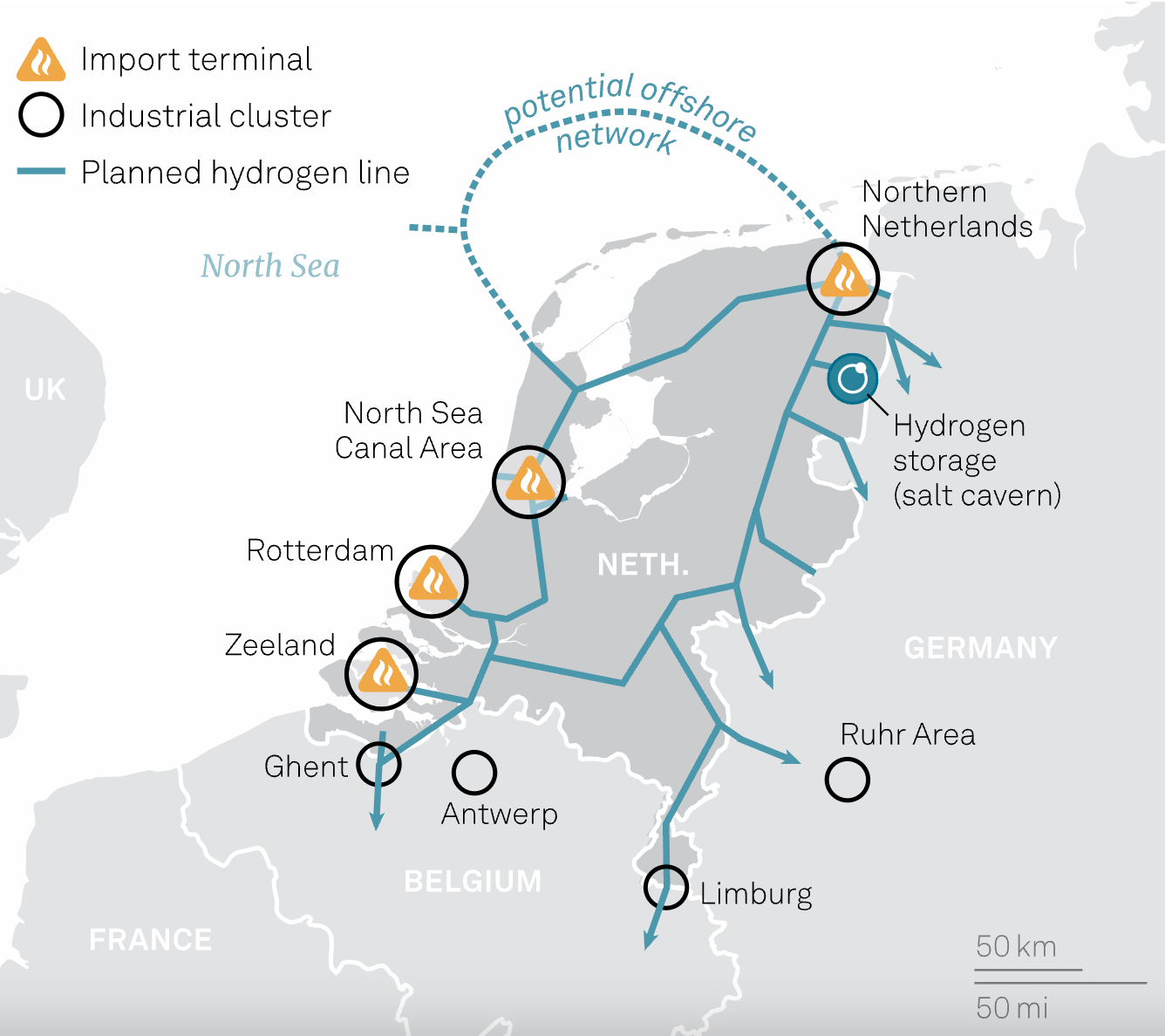
From 2030, the wider 1,200km network will connect import terminals and hydrogen production facilities with major industrial clusters in the Netherlands, Germany, and Belgium. A large chunk of the network will be made up of repurposed gas pipelines, many of which are set to become redundant as the country looks to reduce its reliance on the fossil fuel. The megaproject will cost about €1.5bn.

The Dutch are building a country-wide hydrogen network that will link places of production with places of consumption, both within the country and beyond its borders. Credit: Gasunie/S&P Global Commodity Insights

The plans tie into the European Hydrogen Backbone initiative, which aims to build a network of 28,000km of dedicated hydrogen pipelines by 2030, expanding to 53,000km across 28 European countries by 2040. The initiative is backed by a group of 31 energy infrastructure operators.

In 2022, hydrogen accounted for less than 2% of Europe’s energy consumption and was primarily used to produce chemical products, such as plastics and fertilisers. Some 96% of this hydrogen was produced with natural gas, resulting in significant amounts of CO2 emissions. 

However, hydrogen — especially the ‘green’ variety produced by the electrolysis of water powered by renewable energy — has been identified by the EU as a key component of the bloc’s future energy mix. The Union plans to produce and import a total of 20 million tonnes of renewable hydrogen a year by 2030. (For context, one kilogram of hydrogen is the energy equivalent of one gallon (3.78 litres) of petrol). Proponents say this will help replace natural gas, powering vehicles and generating electricity.   

You see, some sectors like heavy industry and transportation are almost impossible to decarbonise by electrification alone — they require an easily transferable fuel. And hydrogen, which can be used in existing natural gas networks and emits only water vapour when combusted, is the perfect candidate.

While the Netherlands and many others are furiously building new infrastructure to transport the fuel, their efforts will be futile unless the production of green hydrogen is scaled up in parallel. Currently, green hydrogen accounts for only about 1% of global hydrogen production. It is also about three times as expensive as its grey counterpart, produced from fossil fuel sources. 

One solution showing great promise is wind-to-hydrogen technology, which harnesses the power of offshore wind and vast quantities of water (aka the ocean) to produce fossil-free hydrogen. The first plant of this type was opened in September off the coast of Le Croisic, France. Today it produces half a tonne of hydrogen per day. Only a fraction of what’s needed, but a notable start.  

Netherlands starts building €1.5bn hydrogen pipeline to cut reliance on natural gas Read More »

un-creates-ai-advisory-body-to-‘maximise’-benefits-for-humankind

UN creates AI advisory body to ‘maximise’ benefits for humankind

UN Secretary-General António Guterres has unveiled a dedicated AI advisory body with a mandate to harness the technology’s power for good and mitigate its risks through international collaboration and governance.

“AI could power extraordinary progress for humanity,” Guterres said, pointing to a plethora of benefits — from health and education to the digitalisation of developing economies. In addition, “it could supercharge climate action and efforts to achieve the [UN’s] 17 Sustainable Development Goals by 2030,” he added.

However, Guterres cautioned that AI expertise is currently “concentrated in a handful of companies and countries.” This could heighten global inequalities, increase the spread of disinformation and bias, enable surveillance and invasion of privacy — and, overall, lead to the violation of human rights.

“Without entering into a host of doomsday scenarios, it is already clear that the malicious use of AI could undermine trust in institutions, weaken social cohesion, and threaten democracy itself,” noted the Secretary General. “For all these reasons, I have called for a global, multidisciplinary, multistakeholder conversation on the governance of AI so that its benefits to humanity — all of humanity — are maximised, and the risks contained are diminished.”

By the end of this year, UN’s AI advisory body will make preliminary recommendations for three specific areas. These cover international governance of artificial intelligence; a shared understanding of risks and challenges; and key opportunities and enablers for the organisation’s Sustainable Development Goals.

These recommendations will be used for the preparation of the UN’s Summit for the Future in 2024, and will specifically form part of the proposed Global Digital Compact. The initiative aims to outline shared principles for “an open, free, and secure digital future” for all humanity.

The 39-member body hails from a wide range of countries and sectors, such as private companies, academia, governments, and civil society organisations.

Similar global initiatives to ensure the responsible use of artificial intelligence include the G7 AI code of conduct and the upcoming AI Safety Summit in London.

Published

Back to top

UN creates AI advisory body to ‘maximise’ benefits for humankind Read More »

dutch-solar-ev-completes-1,000km-test-drive-through-the-desert

Dutch solar EV completes 1,000km test drive through the desert

An off-road solar car built by a team of Dutch students has successfully traversed 1,000km of rugged desert terrain in North Africa — opening up possibilities for the broader rollout of solar-powered EVs in areas with limited charging infrastructure.

The Eindhoven University of Technology (TU/e) students drove the SUV, which doubles as a small campervan, from Tangier in northern Morocco across dry riverbeds, steep mountain passes, and loose sand before arriving at the Sahara desert three days later. 

“It was an incredible trip with a positive ending. We were able to drive the entire trip on the sun’s energy and did not depend on charging stations,” said team manager Wisse Bos.

a solar-powered car driving down a mountain pass in morocco
The rough and varied terrain of Morocco put the solar car through its paces. Credit: STE/Bart van Overbeeke

The two-seater, road-legal automobile — dubbed Stella Terra — uses solar panels on its sloping roof to charge its electric battery. When the car is stationary, the solar panels can be extended to maximise charging, while doubling as a shade cover.  

Stella Terra has a top speed of 145kph, weighs only 1,200kg, and has a range of 630km on a sunny day. In cloudy conditions, the team estimates a range reduction of 50km. 

Despite much uncertainty due to the novelty of the technology, the solar car performed “above expectations” during the test drive, using 30% less energy than the team predicted. This, explains Bos, is partly thanks to a custom-built converter that was found to be 97% efficient in turning solar energy into electricity. 

a solar car parked next to a lake in morocco
The Stella Terra doubles up as a campervan. Credit: STE/Bart van Overbeeke

To enable the car to be light yet strong enough to traverse such tough terrain running solely on the sun’s energy, the students built pretty much every component from scratch.

“It is already difficult in normal conditions to build an energy-efficient car that can handle rough conditions, let alone to integrate solar panels into the car as well. I haven’t seen anyone do that yet,” said mobility expert and TU/e professor Maarten Steinbuch.

Stella Terra is one of many prototype vehicles that have emerged out of TU/e in recent years, many of which are “five to ten years ahead of the current market,” said Bos. 

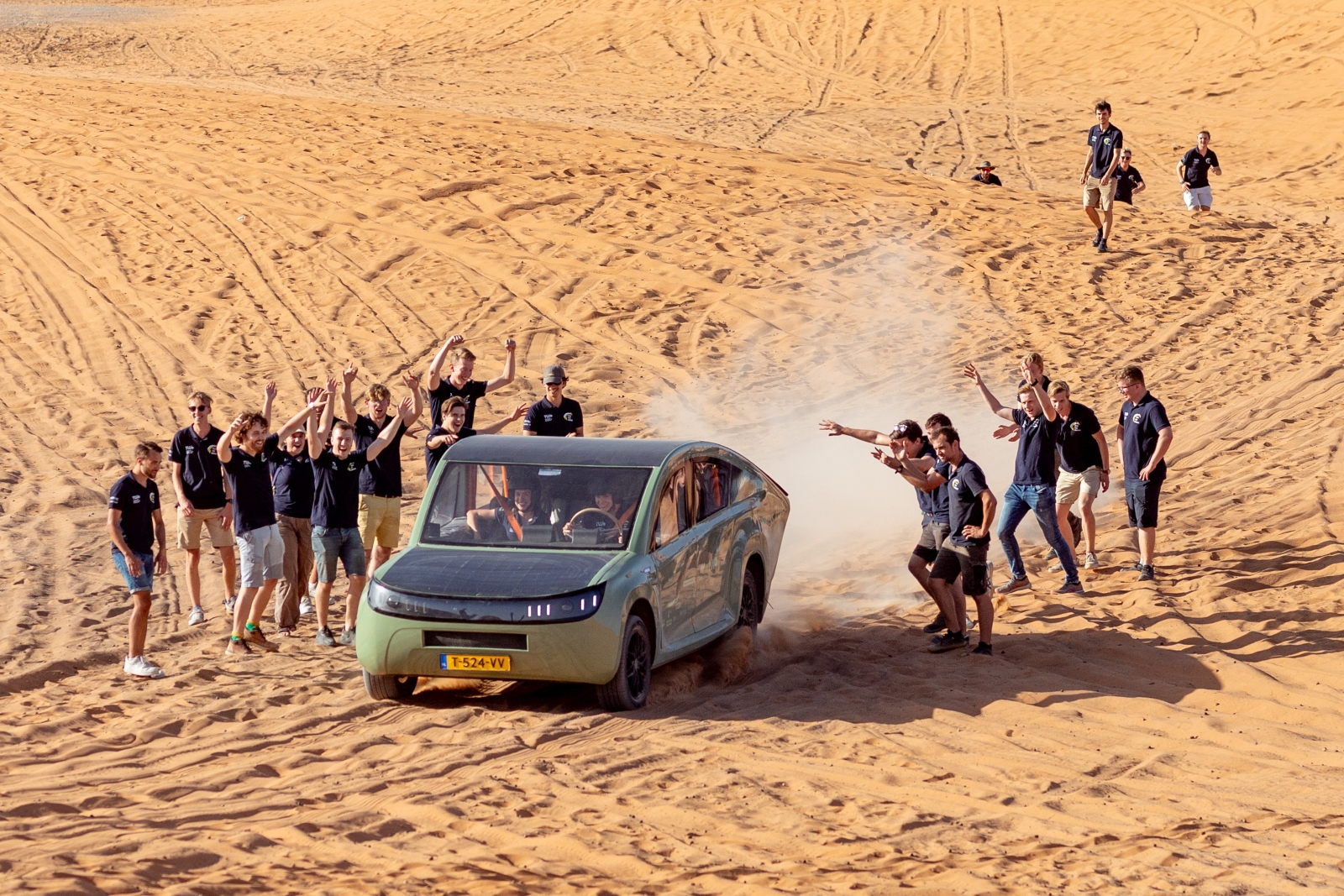
students welcome arrival of solar car at the Sahara desert
The Eindhoven University of Technology student team welcome the arrival of solar car at the final line: the Sahara desert. Credit: STE/Bart van Overbeeke

While only a prototype, the student team hopes their concept SUV could be mass-produced in the near future, which will definitely be a major challenge.

Most attempts at building solar-powered cars have fallen far short of commercial viability due to limited energy conversion efficiency, high costs of photovoltaic technology, and the intermittent nature of sunlight.

Perhaps the most promising example comes from aptly named Lightyear, a startup which also hails from TU/e. Despite declaring bankruptcy in January, the spin-off recently reentered the market with a new, cheaper solar car with a starting price of $40,000. 

It remains to be seen whether Lightyear’s EV will gain traction, and shine a light on the potential of solar-powered cars to drive us into a greener future.   

Dutch solar EV completes 1,000km test drive through the desert Read More »

startup-bags-e8.5m-to-bolster-europe’s-ev-battery-upcycling

Startup bags €8.5M to bolster Europe’s EV battery upcycling

In a big boost to sustainable mobility, 130 million EVs are expected to hit Europe’s streets by 2035, reaching about half of the total vehicles on the continent. However, this also translates to 130 million dead batteries, which — unless recycled — could end up as a mountain of waste.

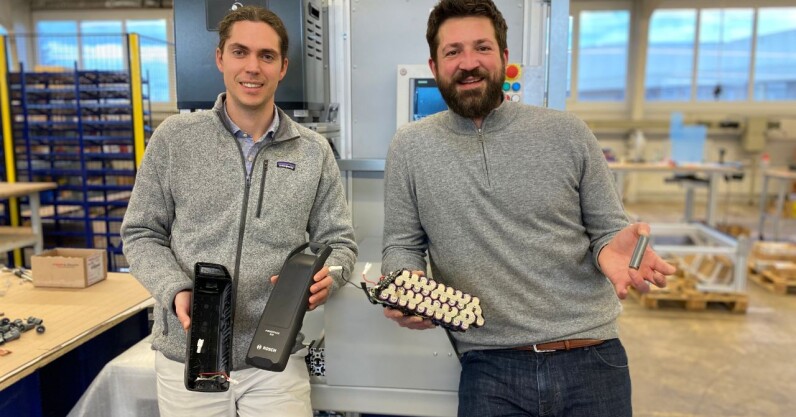
Battery upcycling startup Circu Li-ion aims to help solve this challenge. The company has raised €8.5mn in seed funding to create a fully circular battery value chain for Europe’s growing EV market.

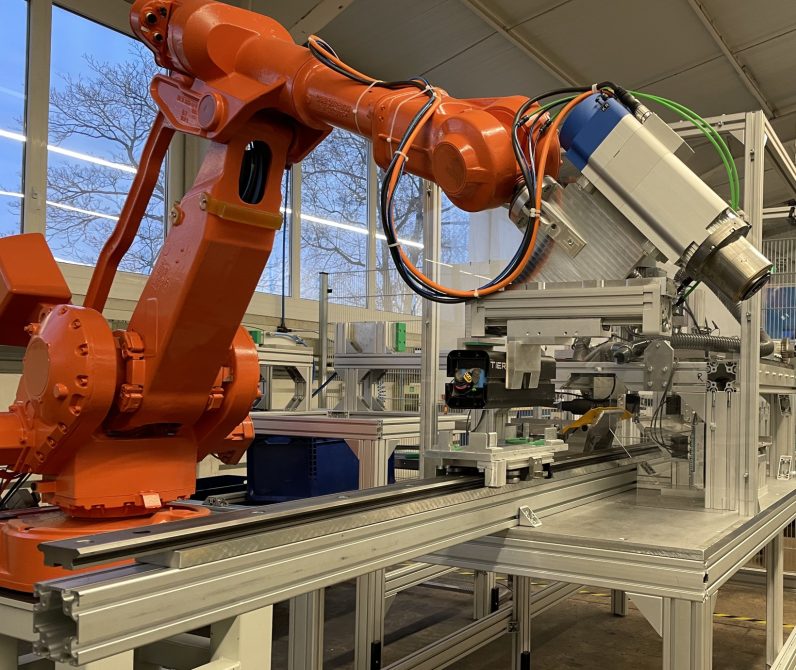
Founded in 2021 and based in Luxembourg and Germany, the startup has developed an automated upcycling solution that enables the sustainable recycling of lithium-ion cells for reuse at scale.

Circu Li-ion builds its hardware and software in-house and offers a Machine-as-a-Service product. This harnesses AI to optimise battery discharging, dismantling, disassembly, and health diagnostics to reduce manual labor and minimise the environmental impact. The startup claims that its upcycling solution can save up to 48% of CO2 emissions compared to conventional recycling.

The company already counts several partnerships with OEMs, micromobility service providers, power tool manufacturers, and European recycling companies. Its ultimate goal is to upcycle three billion batteries by 2035.

Machine for EV battery upcycling
Inside Circu Li-ion’s facility. Credit: Circu Li-ion

With the new funding, Circu Li-ion will expand its Machine-as-a-Service solution to further European markets, while offering Disassembly-as-a-Service to enable its customers to upcycle their batteries at its facility in Karlsruhe, Germany. Meanwhile, it aims to improve battery sorting techniques using AI and research ways to innovate direct recycling.

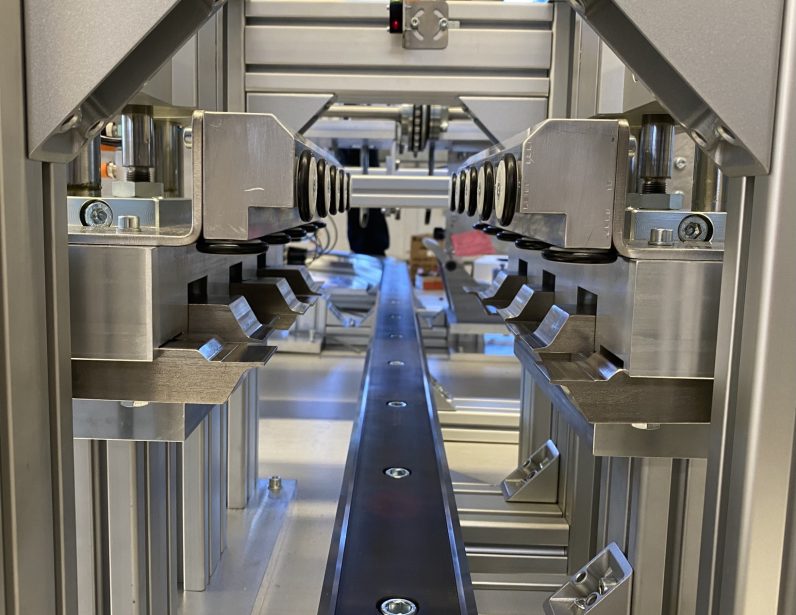
Machine for EV battery upcycling
Inside Circu Li-ion’s upcycling machine. Credit: Circu Li-ion

Ambitiously, the company will also leverage AI and data to create the world’s largest battery recycling data repository to enable data-driven decision-making and support a fully circular battery supply chain.

Finally, the startup will use the capital to reinforce and forge partnerships with industry players, expand its main production facility in Karlsruhe, and double the number of its currently 34 employees.

“We are evolving our products with the agility and adaptability the swift-moving battery market demands,” said Xavier Kohll, co-founder and CTO at Circu Li-ion. “It’s more than creating relevancy — it’s about pioneering flexible solutions that carve out new possibilities for cleaner battery recycling.”

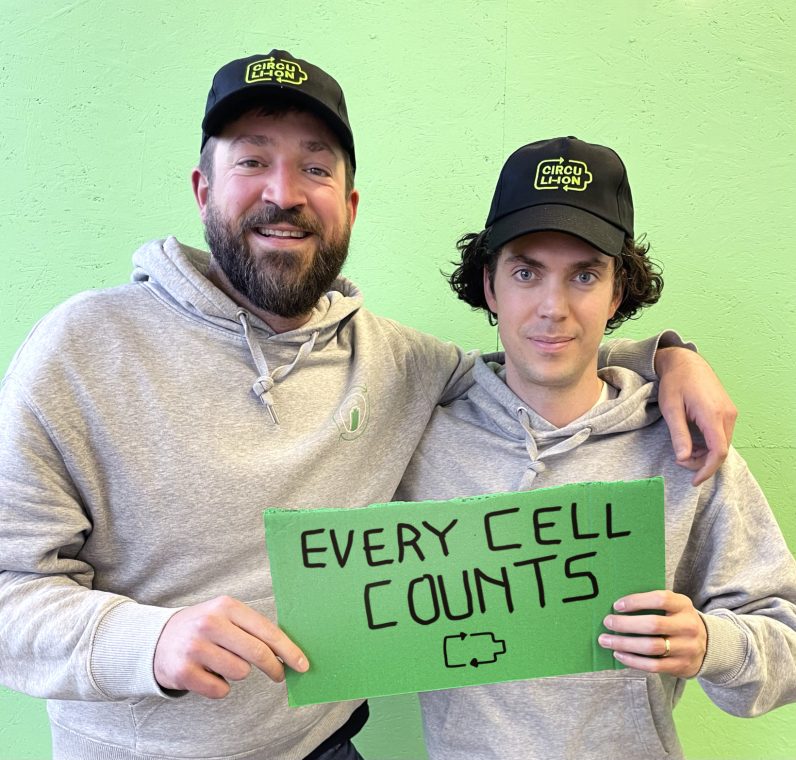
Circu Li-ion founders
Antoine Welter, co-founder and CEO, and Xavier Kholl, co-founder and CTO. Credit: Circu Li-ion

The funding round includes €4.5mn in equity investments, led by social venture capital BonVenture and backed by a number of industry players and Circu Li-ion’s own management team. The company raised an additional €4mn in grants from the European Innovation Council Accelerator (EICA) and a group of recyclers and OEMs.

“Circu Li-Ion puts a stop to the current destruction of value in the form of a technically sophisticated and particularly innovative solution, thus unlocking previously inaccessible potential down to the level of the individual cell,” said Nikolaj Klebert, Investment Manager at BonVenture. “This is what makes a particularly high level of sustainability possible in the first place and makes an important contribution to the transformation of many industries.”

Circu Li-ion’s services come at an opportune moment for the company (and the planet), following the EU’s new battery regulation, which aims to ensure a circular economy and will require mandatory minimum levels of recycled elements for EV batteries. These are set at 16% for cobalt, 85% for lead, and 6% for lithium and nickel, respectively.

“Batteries are key to the decarbonisation process and the EU’s shift towards zero-emission modes of transport. At the same time end-of-life batteries contain many valuable resources and we must be able to reuse those critical raw materials instead of relying on third countries for supplies,” said Teresa Ribera, Spanish minister for the ecological transition. 

Startup bags €8.5M to bolster Europe’s EV battery upcycling Read More »

should-we-be-working-at-85%-capacity?-the-pros-and-cons-of-‘sustainable’-effort

Should we be working at 85% capacity? The pros and cons of ‘sustainable’ effort

Perfectionism and productivity are uneasy bedfellows.

The pandemic, job insecurity, and mass layoffs that followed have exacerbated over-performance burnout, leading to a new thought pattern in employee welfare; one that nobody dared utter out loud until now.

What if we only gave 85% of ourselves to our jobs?

Is 85% the productivity sweet spot?

Devised by sprinter nine-time Olympic gold medalist, Carl Lewis, the philosophy behind the 85% rule is that to maintain a balance between excellent performance and excellent output, you don’t need to give 100% all the time.

The <3 of EU tech

The latest rumblings from the EU tech scene, a story from our wise ol’ founder Boris, and some questionable AI art. It’s free, every week, in your inbox. Sign up now!

This is because working at 85% effort leaves 15% for crucial headroom that prevents workers from crashing through the burnout ceiling.

On the other hand, your employer might think that operating at 85% makes you wasteful, lazy, unproductive or ill-suited to the job.

Nobody wants to pay their workers to phone it in 15% of the time, so, which side is right?

Breaking free from burnout

Firstly, burnout is a real, tangible metric. In early 2022, McKinsey’s Burnout Assessment Tool showed that one in four workers reported symptoms of burnout.

Given that burnout can lead to paid sick leave or stress leave and high employee turnover, it makes sense to settle for a workforce that’s on track for a B+ instead of an A.

A little space for humans to be, well, human, seems an obviously sensible approach. If you need more convincing, the 85% rule has even become a hit with celebs: actor Hugh Jackman is among its advocates.

On the other hand, there are those who believe that if you’re not giving it 100%, you’re in the wrong job. This side of the debate advocates for a career switch-up that will make the pursuit of perfection feel like a passion, not a punishment.

However, there is very little holistic intelligence to this argument, and the giving-it-all approach is more likely to be adopted by CEOs and those who run their own businesses who either cannot afford to take their foot off the gas, or are seeing the immediate reward for perfectionism hit their bank account.

Earlier this year, Thomas Curran, Assistant Professor in the Department of Psychological and Behavioural Sciences at the London School of Economics, published a groundbreaking book on the subject, The Perfection Trap: Embracing the Power of Good Enough. In it, he uses a decade of research to argue that perfectionism is a damaging trait with its roots in the darker side of capitalism and a warped value system that belies human nature.

Societal conditioning that leads workers to overstretch to satisfy the appetite for non-stop growth is an external, non-human economic force.

For human beings, being good should always be good enough.

Tired of a ‘growth at all costs’ workplace culture? The House of Talent Jobs Board has opportunities with hundreds of companies that take a human-centered approach

Senior IT Business Analyst, Capgemini, Munich

As a Senior IT Business Analyst at Capgemini’s German HQ, you’ll lead a global, agile team to create tailored software solutions for big names in the industry. You’ll be adept at handling diverse projects, translating business tasks into tech requirements, coping with change, and shaping business models. A relevant degree and solid experience in computer science, strong analytical skills, great communication skills (in both German and English), and a focus on customers are must-haves for candidates in this role. Read more and apply now at the House of Talent Jobs Board.

Software Developer, Tribeca Technology, Sittingbourne, UK

Tribeca Technology is a global IT Managed Service Provider based in Sittingbourne, Kent. The company is now seeking a Software Developer on a hybrid basis to join its small team. The key tech skills you should bring include C#, ASP.NET Core, Microsoft SQL, JavaScript/TypeScript and HTML/CSS/SaSS (Bootstrap), although you’ll receive support for upskilling. DevOps and CI/CD experience is a bonus. Tribeca embraces tech diversity, and you’ll work with the most cutting-edge tools in the software development landscape. Apply for this promising role with a small firm at the House of Talent Jobs Board.

Senior Consultant Forensic and Integrity Services, Ernst & Young, Berlin

Ernst and Young is hiring consultants for its Forensic and Integrity Services team across various German cities. You’ll focus on the battle against white-collar and financial crime, and be ready to support international clients in finance to prevent money laundering, terrorist financing, sanctions violations, and fraud. Ideally, you’ll have at least three years of experience in relevant fields and a background in economics or business law. Find out more about this role on the frontline of fraud combat at the House of Talent Jobs Board.

Should we be working at 85% capacity? The pros and cons of ‘sustainable’ effort Read More »

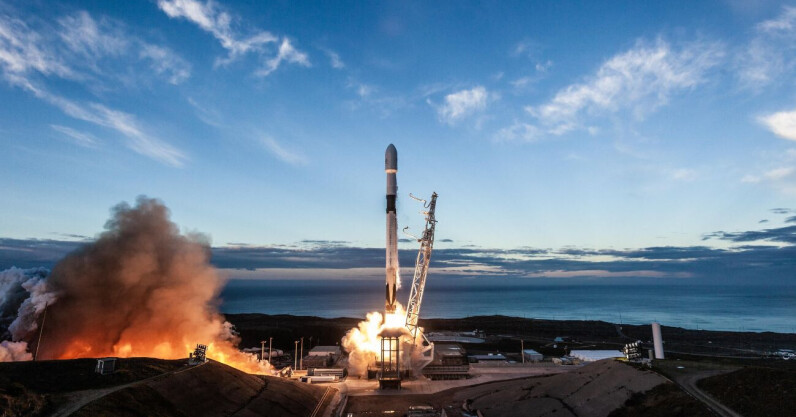
europe-has-‘no-other-choice’-but-to-depend-on-spacex-for-upcoming-satellite-launches

Europe has ‘no other choice’ but to depend on SpaceX for upcoming satellite launches

Elon Musk’s SpaceX has reached a deal with the European Space Agency (ESA) to launch four navigation and communications satellites into orbit, the Wall Street Journal reports.

The agreement covers two launches next year, each carrying two Galileo satellites, Javier Benedicto, the ESA’s director of navigation, told the publication. These satellites enable encrypted communications between European governments and handle the bloc’s satellite navigation system. 

While SpaceX has launched European payloads before, this is the first time the EU has partnered with the Musk-led company on a satellite containing classified information. Officials from both sides of the pond are working together on the safe handling of this sensitive data, the sources said.

For anyone familiar with Europe’s space sector, the news doesn’t come as a huge surprise. With Ariane 5 officially decommissioned, the launch of its successor, Ariane 6, delayed once again, and Italy’s Vega C rocket grounded following a launch failure in December, the continent is without independent access to space satellites. 

The bloc’s backup option, the Russian Soyuz programme, was interrupted last year amid the breakdown in relations following Russia’s invasion of Ukraine. This lack of alternatives left Europe with “no other choice” but to team up with Musk’s space company, ESA officials told the Journal.  

“We have 10 satellites that are ready to be launched, and those satellites should be in space, not on the ground,” said Benedicto. However, he added that the space agency does not intend to use SpaceX for future Galileo launches beyond this deal. 

The hope is that Ariane 6, ESA’s next-generation heavy-lift rocket, will enter service sometime in 2024. The rocket was scheduled to deliver the Galileo satellites into space but has faced numerous delays. 

Newer would-be launch providers, including the Spanish company PLD Space and Germany’s Rocket Factory Augsburg, are still developing their technology and it’s uncertain when, or if, their rockets will enter commercial operations. 

For now, the European Commission and EU member states must still give final approval for the deal.  

The ESA did not immediately respond to our request for comment.

Published

Back to top

Europe has ‘no other choice’ but to depend on SpaceX for upcoming satellite launches Read More »

2023-to-be-europe’s-‘most-depressed’-year-for-vc-exit-value-in-a-decade

2023 to be Europe’s ‘most depressed’ year for VC exit value in a decade

Amid the economic downturn, 2023 is expected to be the “most depressed” year in Europe’s VC exit value since 2013, data from Pitchbook has shown.

According to the report, during the first three quarters of 2023, exit value reached €9.1bn — down 72.8% compared to the same period in 2022. Unsurprisingly, public listing value continued its downward trend, seeing a 79.8% drop. Meanwhile, buyout exit value showed the biggest resilience, although it also declined by 56.4% compared to last year.

Against this backdrop, IT hardware was the most resilient sector in exit activity, while energy saw the biggest decline. Software remained the largest sector among the pack, but its exit value did drop 69.3% compared to the first three quarters of 2022. Still, software alongside biotech & pharma generated most of the value in Q3 2023. The biggest exit was the €1.2bn acquisition of Kerecis, an Icelandic biotech startup that uses fish skin to treat wounds.

VC fundraising continues to struggle

In the first nine months of 2023, the VC capital raised amounted to €13.9bn — about half of the €27.6bn invested for the full 2022. While there has been an upward trend since H1 2023, Pitchbook’s analysts don’t expect this year’s total fundraising to exceed 2022 levels.

Region-wise, France & Benelux and the DACH countries (Germany, Austria, and Switzerland) raised the biggest share of capital through Q3 2023 compared to 2022 — reaching 27.8% and 24.3%, respectively. This was achieved thanks to a number of large closes in the Netherlands: NATO’s Innovation Fund’s €1bn close and Forbion Venture Fund VI’s €750mn close.

Cause for hope?

Although VC deal value is set to end 2023 well below 2022 levels, signs of recovery “could be evident.” According to the report, while VC activity in the first three quarters of this year didn’t match the peak levels of 2021 and 2022, it did echo prior-to-2020 levels, which could indicate structural growth in the long term. Nevertheless, it remains to be seen whether Europe’s unclear macroeconomic environment can sustain market recovery.

Published

Back to top

2023 to be Europe’s ‘most depressed’ year for VC exit value in a decade Read More »